
EDspaces
Insights

Safe, Smart, and Synchronized: The Power of Unified School Communications
K-12 school leaders are still in the early stages of using AI to assist with administrative tasks. A…
July 21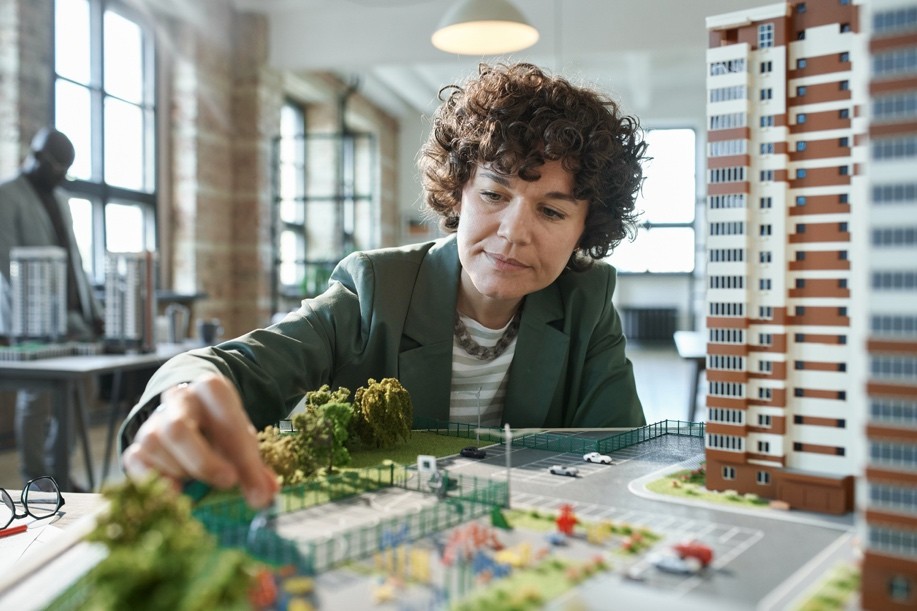
Keeping School Construction Projects on Time and Under Budget: Can A.I. Help?
K-12 school leaders are still in the early stages of using AI to assist with administrative tasks. A…
July 21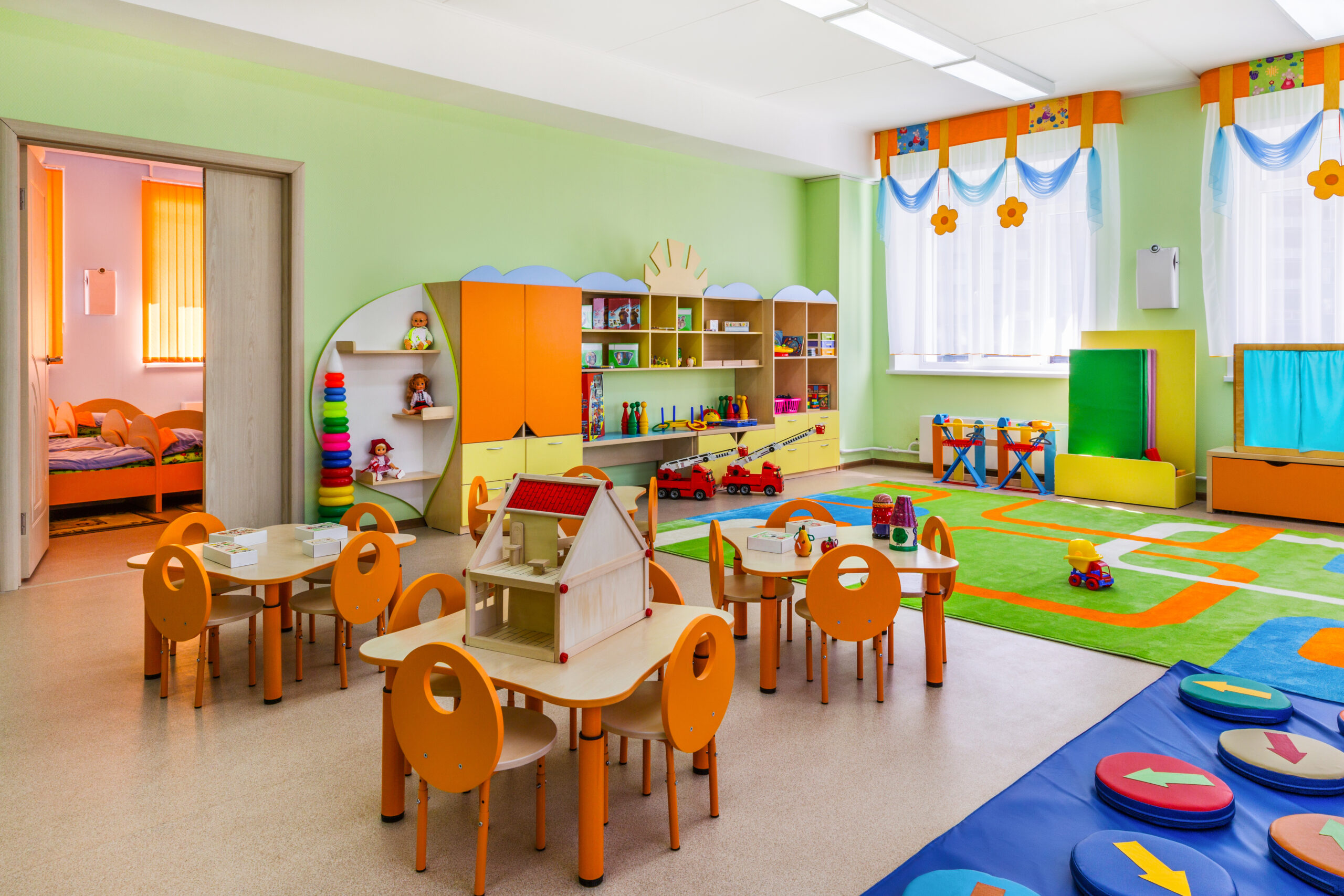
How Experience Rooms Support Early Learning
Key Takeaways: Experience rooms in early-years classrooms support hands-on, play-based learning that builds vocabulary, social skills and executive…
July 16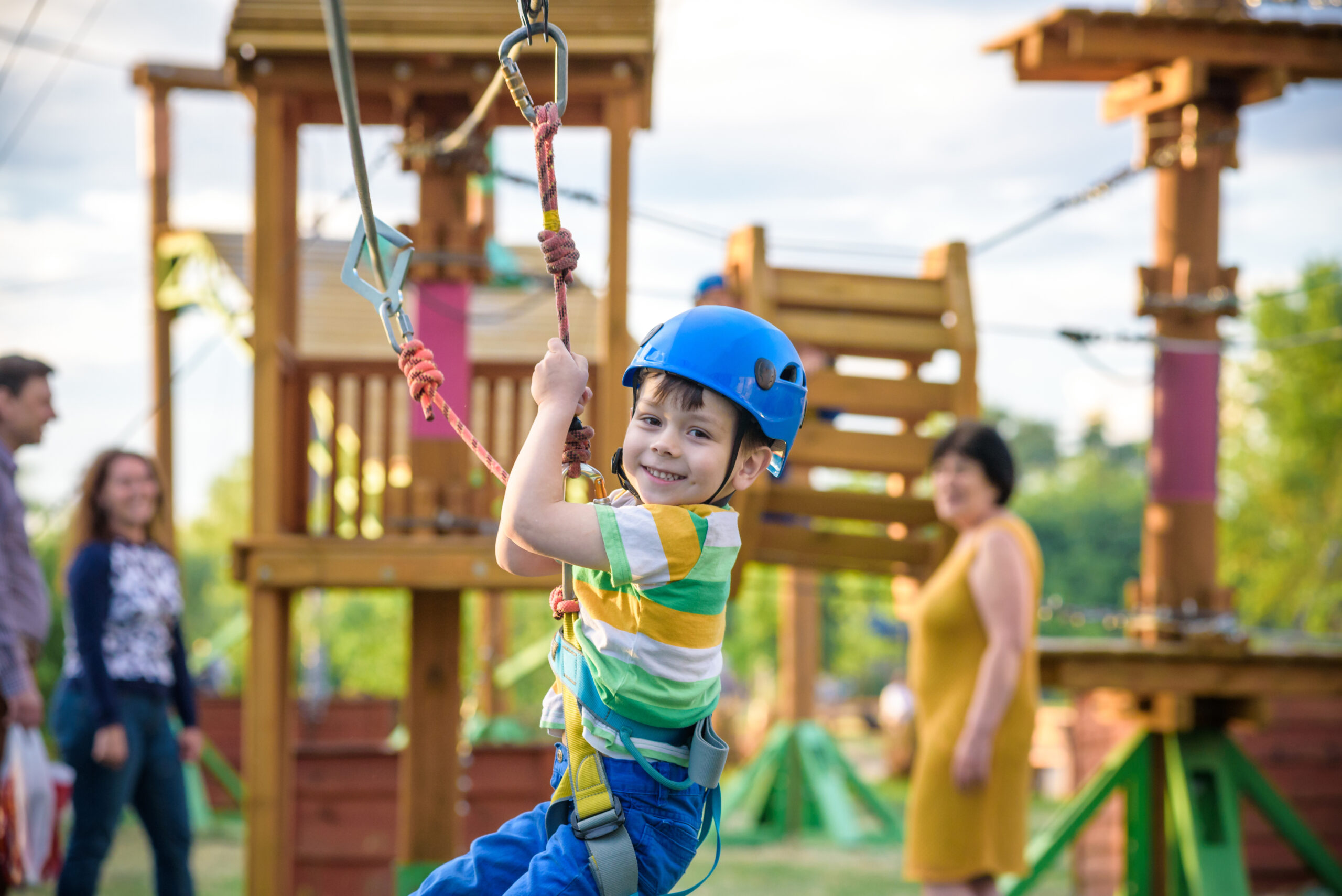
Therapeutic Playground Equipment Helps Children Regulate and Engage
Key Takeaways: Therapeutic playground equipment supports sensory integration by delivering vestibular, proprioceptive and tactile input children can self-regulate.…
July 16
Why People-First Classroom Design Matters in Higher Education
Key Takeaways: People-first classroom design prioritizes sight lines, acoustics and accessibility across seminar rooms, active learning classrooms and…
July 16
How Schools Can Use Digital Signage More Effectively
Key Takeaways: School digital signage works best when legibility, accessibility and content placement are tailored to each campus…
July 10
Maplewood Middle School: A New Model for Educational Environments
Key Takeaways: Maplewood Middle School (Menasha, WI, 2025) is the largest net zero middle school in the U.S.,…
July 10
How Nature-Informed Learning Spaces Support Students
Key Takeaways: Nature-informed learning spaces, including natural light, outdoor views and green spaces, reduce student stress and improve…
July 10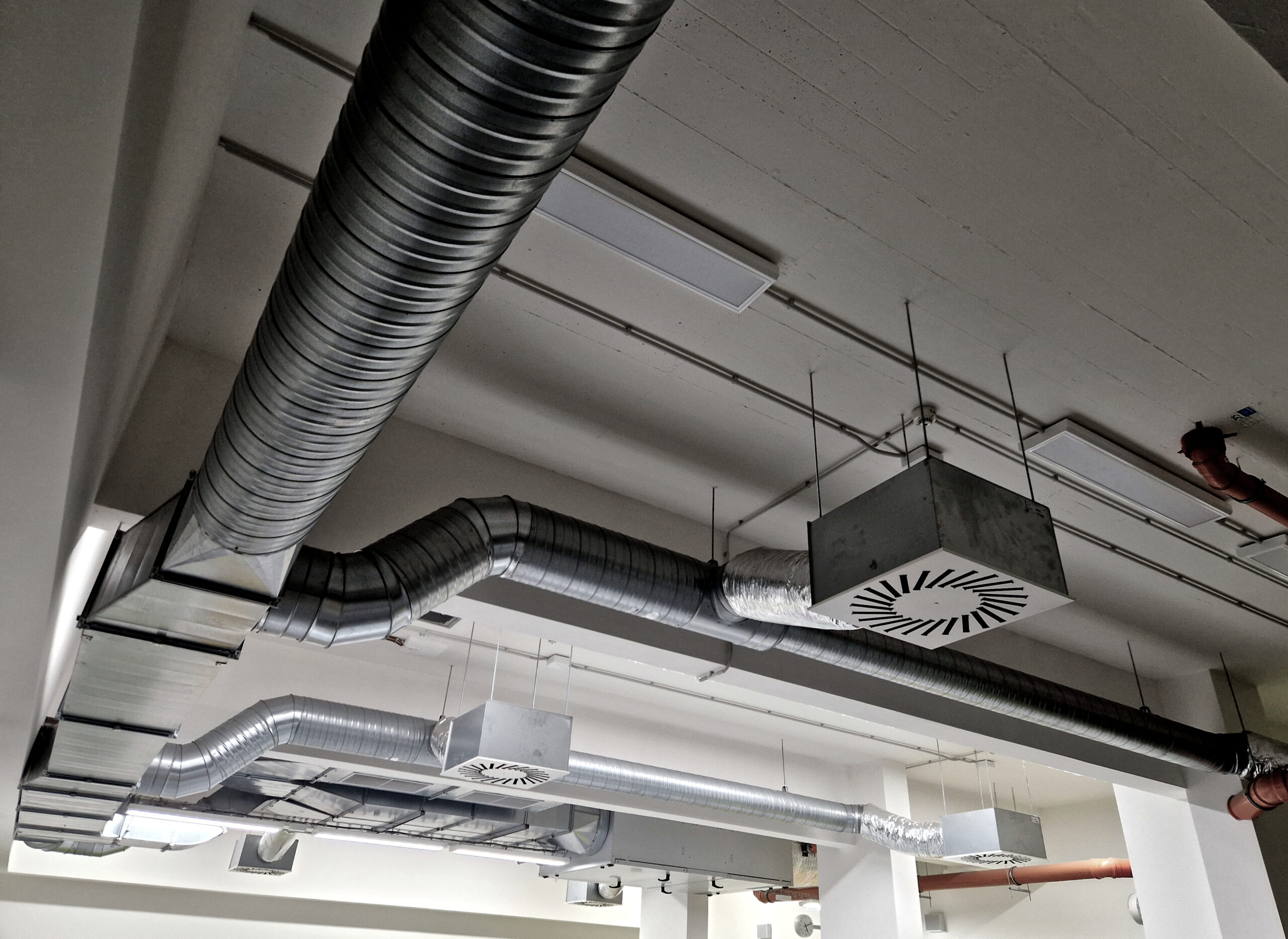
Cleaner Classrooms Start with Summer HVAC Work
Key Takeaways: Summer is the best time for school HVAC maintenance: duct cleaning, filter replacement, ventilation checks and…
July 1