
EDspaces
Insights
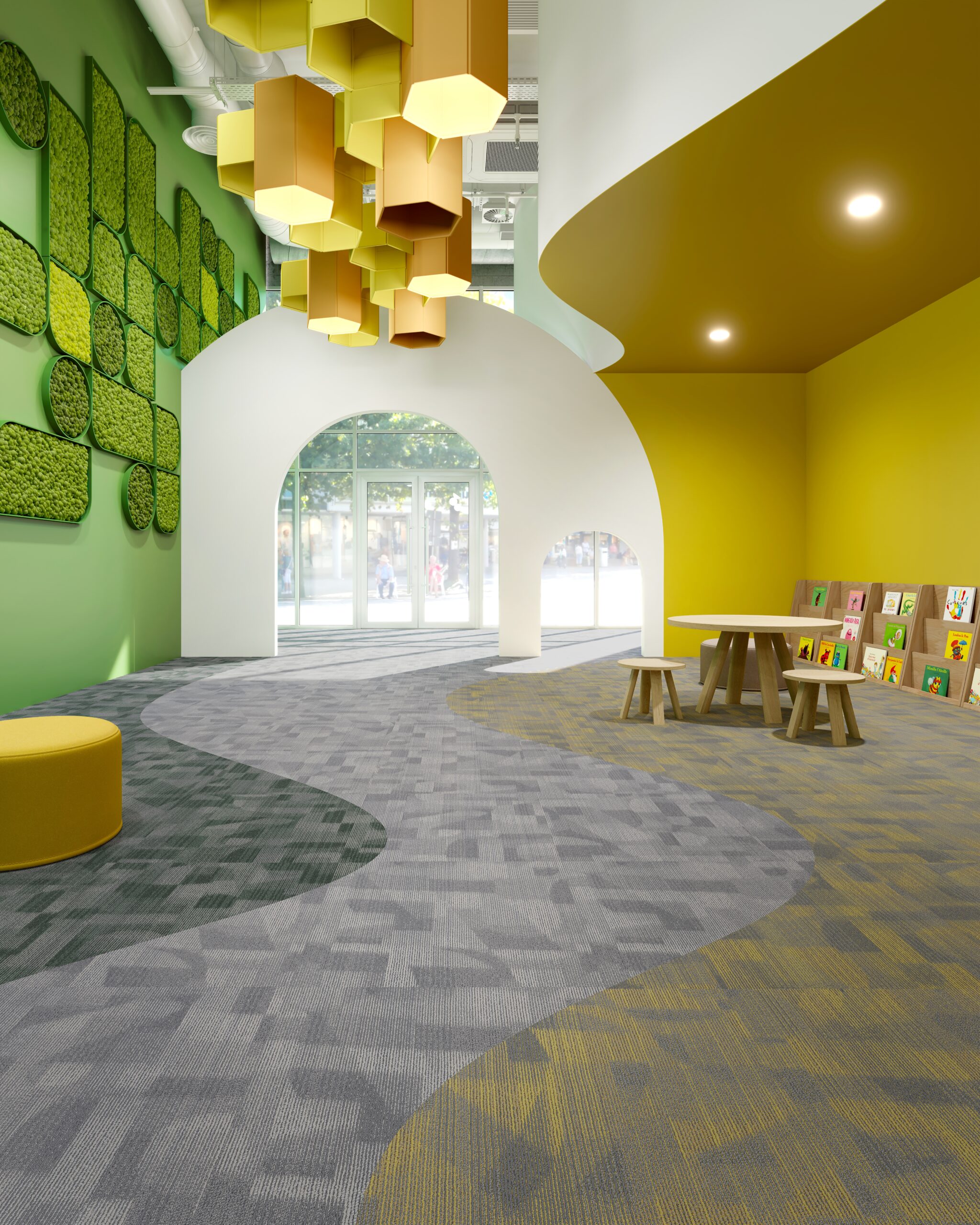
Designed to Learn: How Biophilic Design Can Support Student Performance
When we think about what helps students learn, we often focus on curriculum, teaching methods and technology. But…
October 22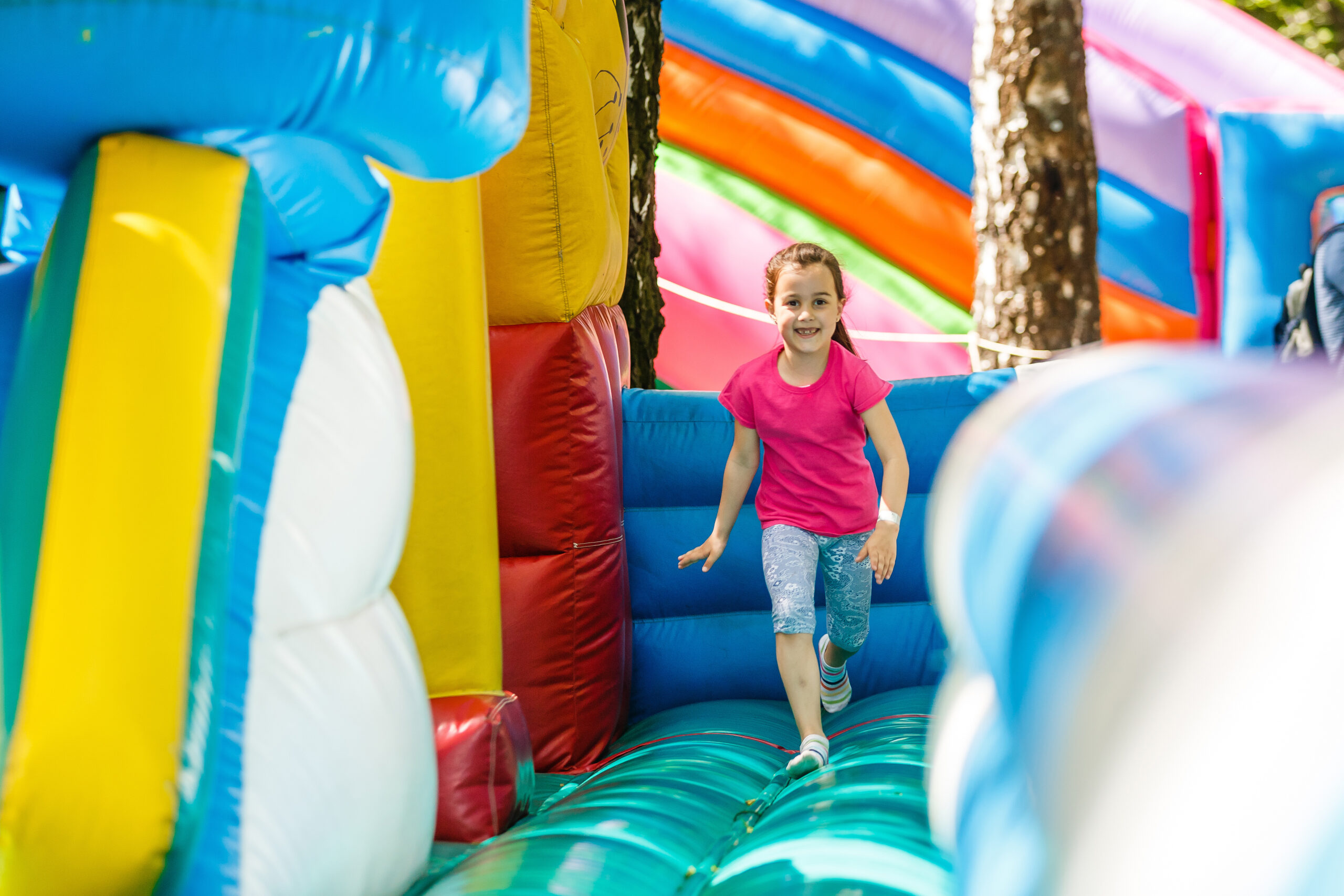
Bringing Lessons to Life With Thematic Inflatables
Key Takeaways: Thematic inflatables (planetariums, rainforest skins, historical replicas) create immersive learning environments that make abstract curriculum concepts…
October 20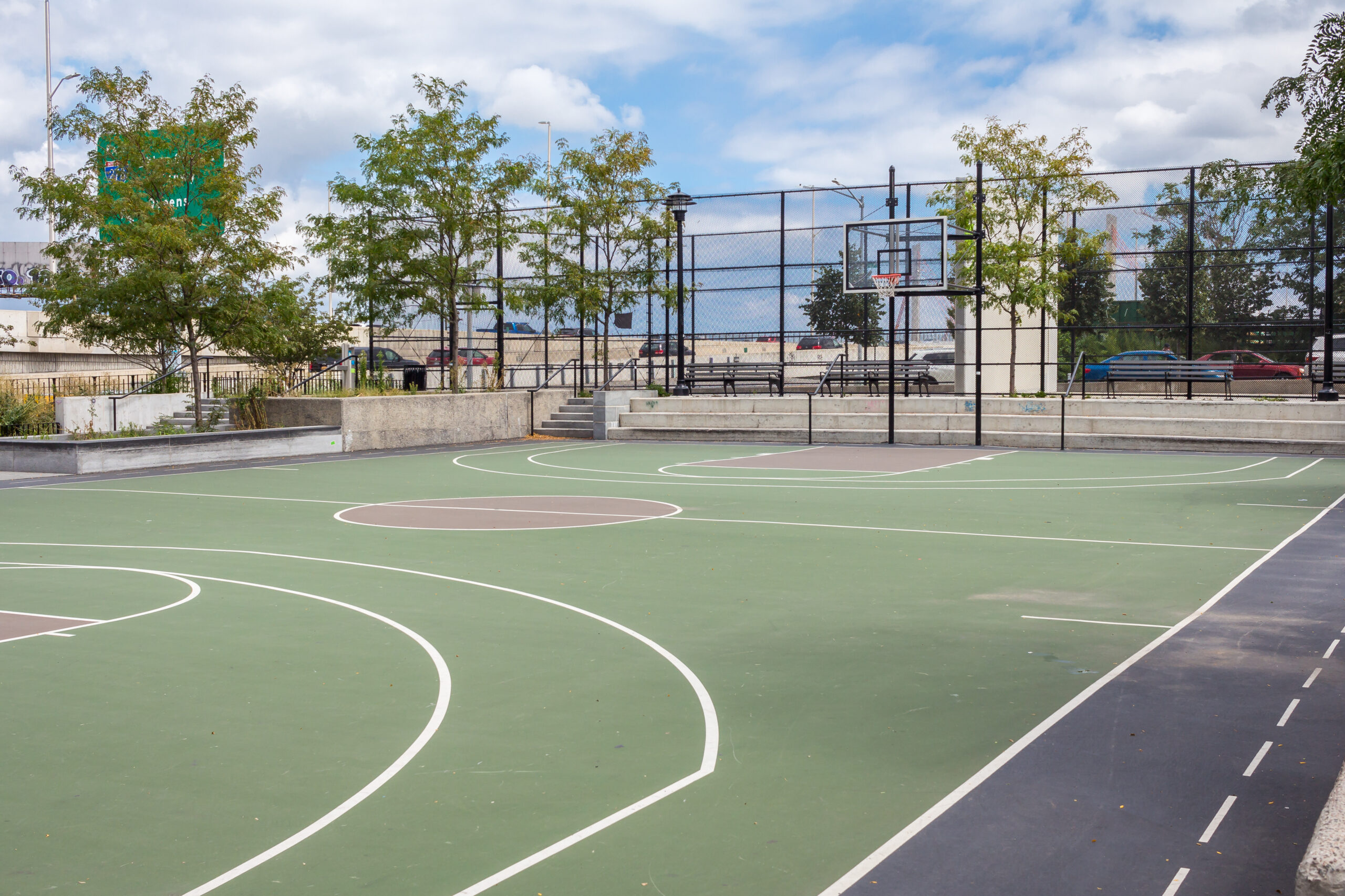
How Simple Court Lines Create Better School Playgrounds
Key Takeaways: Permanent sports court markings transform school playgrounds into flexible, multi-use spaces for PE, football, netball, and…
October 20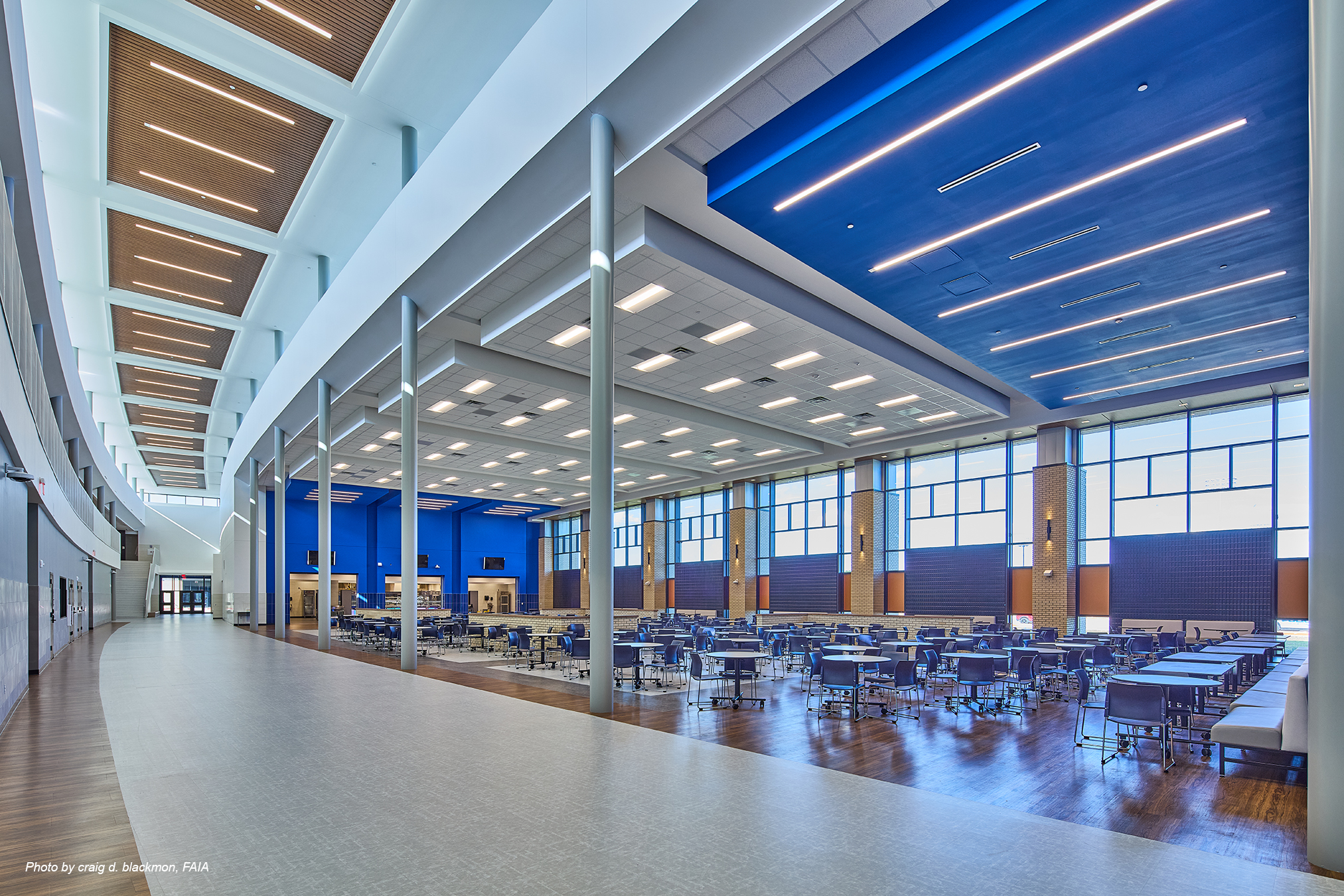
Building Better Schools Through Better Data
Every day, over 50 million K–12 students walk into schools across the United States. Within these walls, they develop academic, social, and behavioral skills that will shape the rest of…
May 21

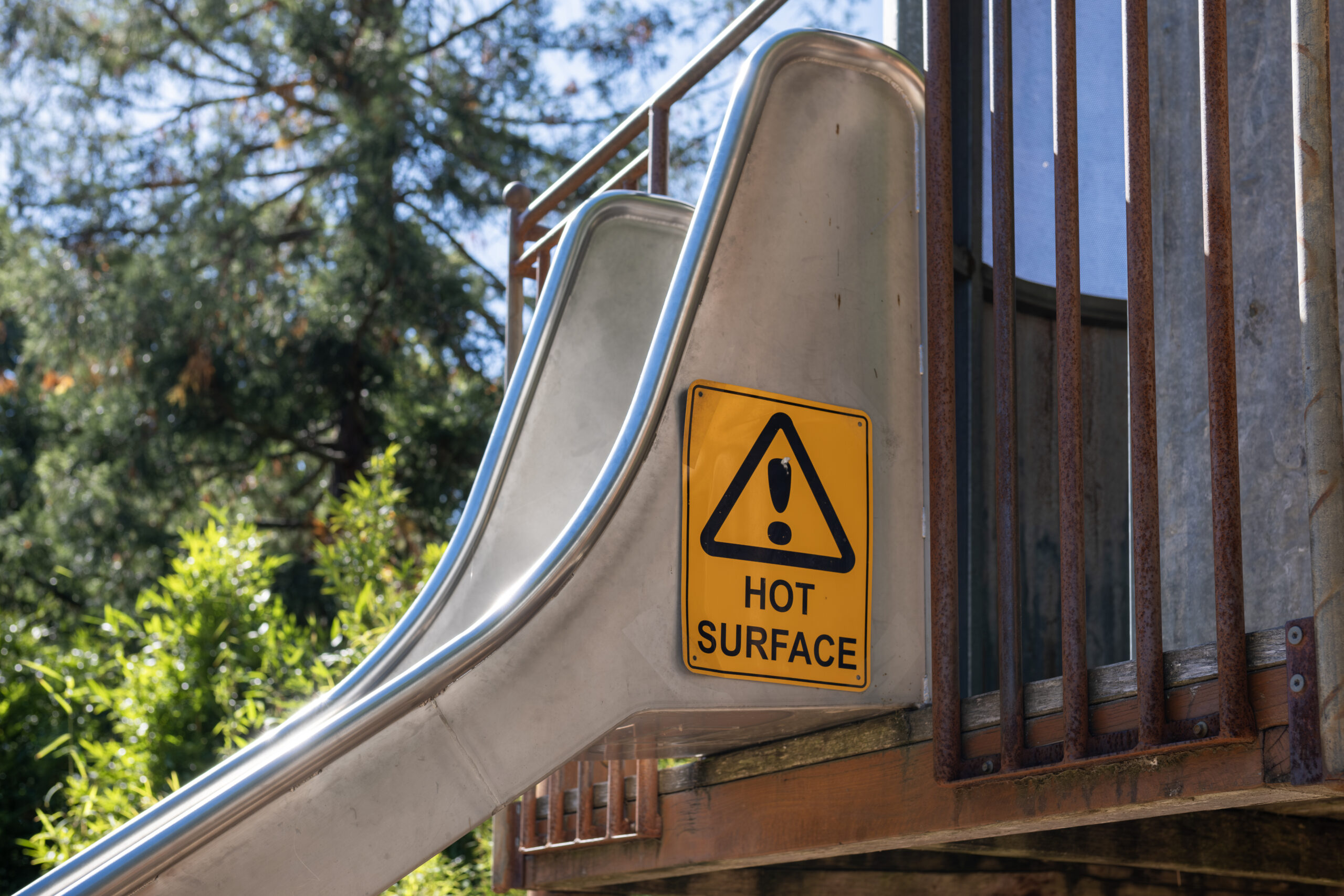
Too Hot to Play: LA’s Schoolyard Shade Problem
Key Takeaways: Over 60% of LA County public school campuses have less than 10% tree canopy in outdoor…
October 20
Kids’ Book Storage Ideas That Make Reading More Accessible
Key Takeaways: Front-facing classroom book storage, including wall ledges, sling racks and rotating towers, increases student reading engagement…
October 13
Designing CTE Classrooms That Support Modern Learning
Key Takeaways: CTE classroom design requires coordinated planning across network infrastructure, physical layout, and power capacity. Reliable CTE…
October 13
Creating Study Spaces in Classrooms That Help Students Thrive
Key Takeaways: Ergonomic seating, layered lighting, and acoustic management have the highest impact on student focus and comfort.…
October 13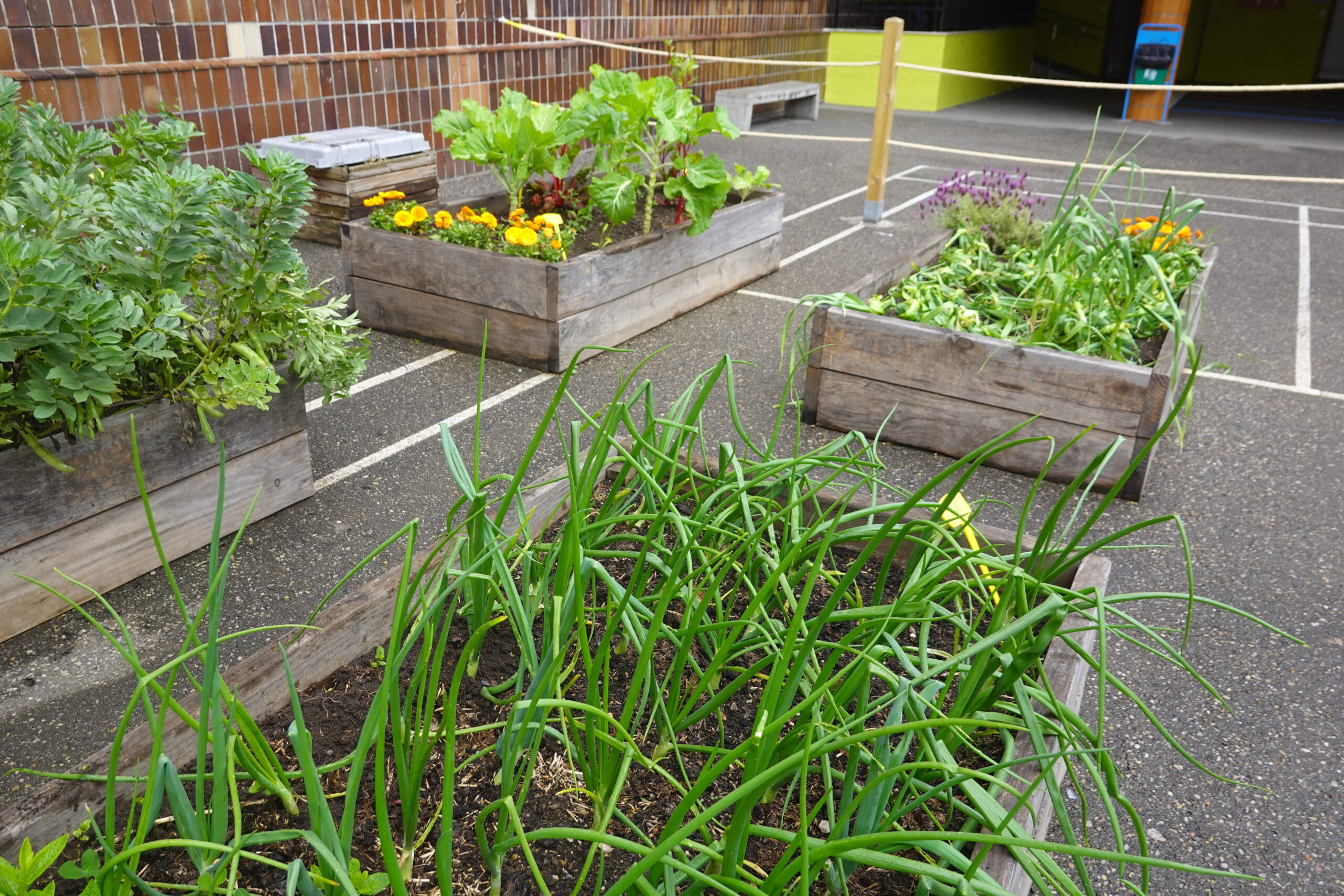
From Asphalt to Outdoor Learning: Where Schoolyard Greening Starts
Key Takeaways: Schoolyard greening converts hardscape into flexible outdoor learning spaces using modular planters, native plants and vertical…
October 6
What Yale’s Science Hill Geothermal Project Shows About Campus Decarbonization
Key Takeaways: Yale completed a 263-borehole geothermal field under Science Hill, reaching 850 feet into bedrock to serve…
October 6