

K-12 school leaders are still in the early stages of using AI to assist with administrative tasks. A recent survey by CoSN indicates that half of school administrators surveyed report being in the exploratory phase of AI implementation, but only 5% report that AI is actively being used to solve operational challenges. One area being explore is using AI to help monitor and keep school construction projects on time and under budget.
Managing K-12 construction comes with a unique set of challenges. You are dealing with strict public taxpayer funding, rigorous safety codes, and the ultimate immovable deadline: the first day of school. Historically, school construction has been notorious for hidden change orders, unpredictable delays, and budget overruns that force tough conversations at school board meetings.

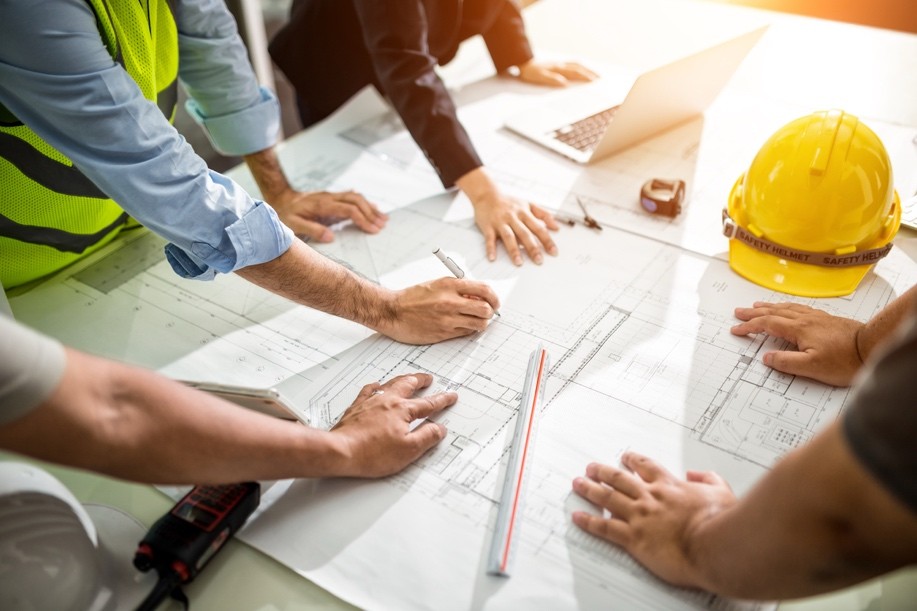
Artificial Intelligence (AI) is stepping onto the job site, helping school districts plan smarter, protect taxpayer dollars, and ensure that construction projects don’t interfere with education. It’s still early days, but here are some ways AI can help with school construction projects.
Smart Planning: Spotting Maintenance Crises Before They Happen
The most affordable way to handle a construction crisis is to prevent it entirely. Traditionally, districts relied on manual facilities assessments—often recorded across scattered spreadsheets or paper binders—to plan long-range capital improvements.
AI can change this by giving superintendents and facilities directors a dynamic, birds-eye view of their district’s health. Modern AI capital planning systems can ingest years of maintenance records, energy bills, and equipment data across dozens of buildings. By analyzing patterns, the AI can flag systemic issues before they cause an emergency.
For example, instead of waiting for a 15-year-old middle school roof to leak during winter midterms, an AI tool can analyze its historical repair velocity and predict its failure window with incredible accuracy. This shifts your district from a stressful, reactive “fix-it-when-it-breaks” stance to a proactive, defensible capital development strategy. When you approach the school board or the community for a bond, you have concrete, AI-backed data justifying every dollar.

Beating the Summer Rush: The Academic Calendar Puzzle
Every school leader knows the terror of the compressed summer timeline. Major structural overhauls, loud demolition work, and hazardous material abatement must happen during the brief window when students are out of the building. If a project bleeds into September, it triggers logistical nightmares, from temporary classroom leasing (“swing spaces”) to bus routing chaos.
AI-powered scheduling software excels at solving this puzzle. These tools can automatically sync a contractor’s construction timeline with your official district calendar.
By identifying potential bottlenecks early, AI can assist in arranging workflows so that loud, disruptive tasks are strictly locked into winter, spring, or summer breaks. If an early supply chain delay occurs, AI can recalculate the schedule, shuffling quieter, interior tasks into the active school term without disrupting the learning environment.
Protecting Your Budget: Automated Financial Guardians
In public education, every dollar counts. A single unbudgeted change order can mean sacrificing classroom technology, music programs, or new textbooks. AI is stepping into this space as an automated financial watchdog, looking out for the district’s bottom line.
Reviewing contractor invoices and contract compliance used to require hours of meticulous paperwork by your business office. AI cost-control software automates this entire process by instantly cross-referencing field data with your original contract agreements:
- Smarter Oversight: AI automatically scans subcontractor bills and line items to flag duplicate billings, math errors, or unapproved rate hikes before you write a check.
- Early Warning Systems: By tracking the historical spending speed of a live project, machine learning models can issue a “budget warning” weeks before a line item actually overflows, allowing your team to course-correct early.
- Instant Risk Assessments: When an unexpected issue arises on the job site—like uncovering unexpected utility lines—AI can scan the entire blueprint archive in seconds to show how a field modification will impact your budget down the line.
By eliminating human errors and optimizing material deliveries, school districts utilizing AI-driven cost controls could experience significant cost savings, estimated by McKinsey as an average project savings of 18% to 30%. On a $20 million elementary school renovation, keeping those millions of dollars inside the district’s general fund is a massive win for students.
Balancing Tech Investments and Classroom Goals
Of course, integrating AI into your capital planning requires an upfront investment in software, training, and data organization. The ultimate goal for forward-thinking school leaders is to balance these initial technology costs against long-term savings.
By using AI to build safer, more efficient schools on time and under budget, you can minimize administrative friction and redirect your saved capital back into what matters most: providing an exceptional educational experience for your students.
This article was based, in part, on the following resources:
- McKinsey & Company. (2020). Artificial intelligence: Construction technology’s next frontier. McKinsey Capital Projects & Infrastructure.
- Consortium for School Networking (CoSN). Operational AI in Education: Readiness, Realities and the Road Ahead. September 2025 Report.
 Leslie Stebbins is the director of Research4Ed. She has more than twenty-five years of experience in higher education and K-12 learning and instructional design. Her clients include Harvard University, the U.S. Department of Education, Tufts University, and the Gates Foundation. She has an M.Ed. from the Technology Innovation & Education Program at the Harvard Graduate School of Education and a Master’s in Library and Information Science from Simmons College.