

Stories
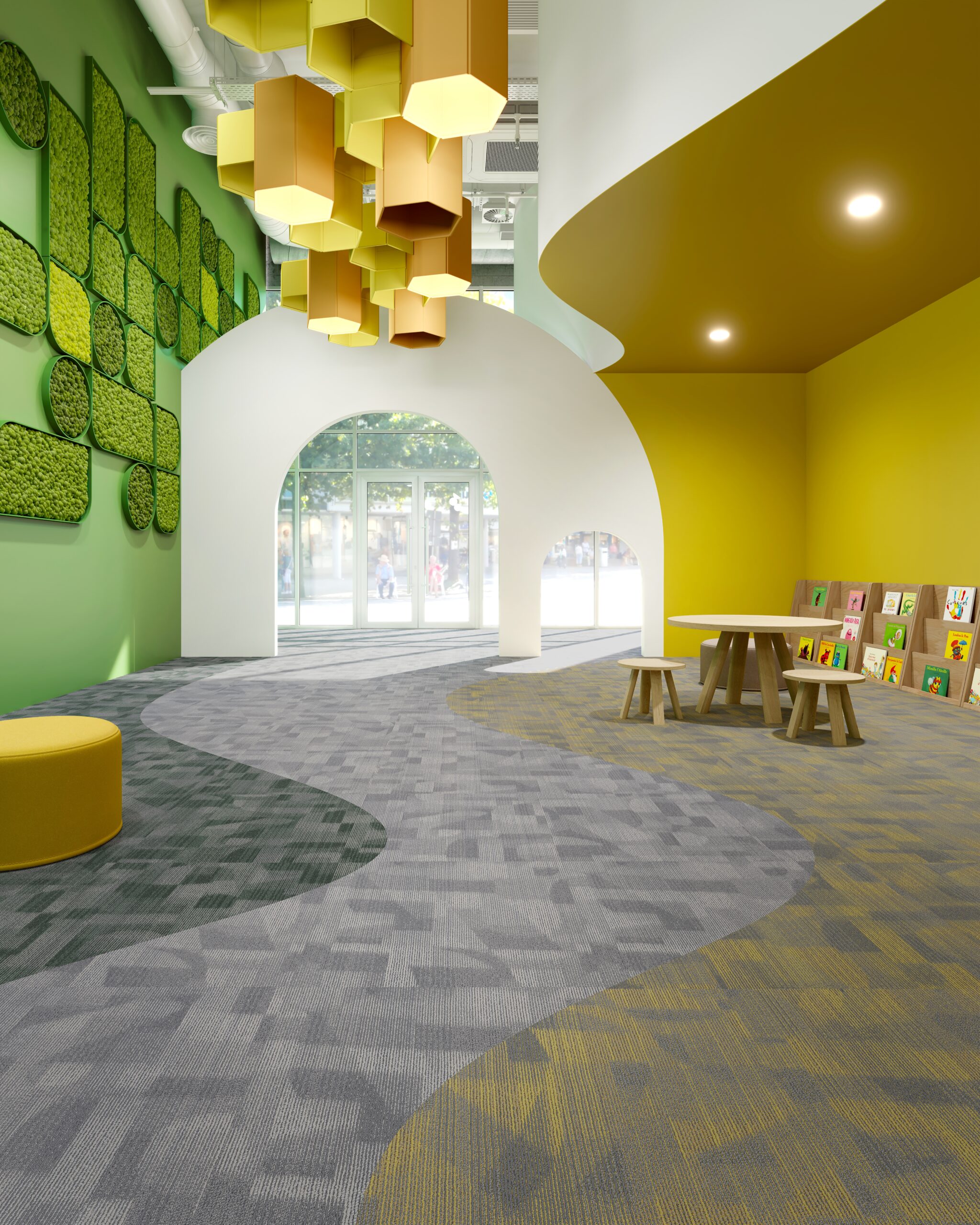
Designed to Learn: How Biophilic Design Can Support Student Performance
When we think about what helps students learn, we often focus on curriculum, teaching methods and technology. But learning does not happen independently of place. The physical environment is part...
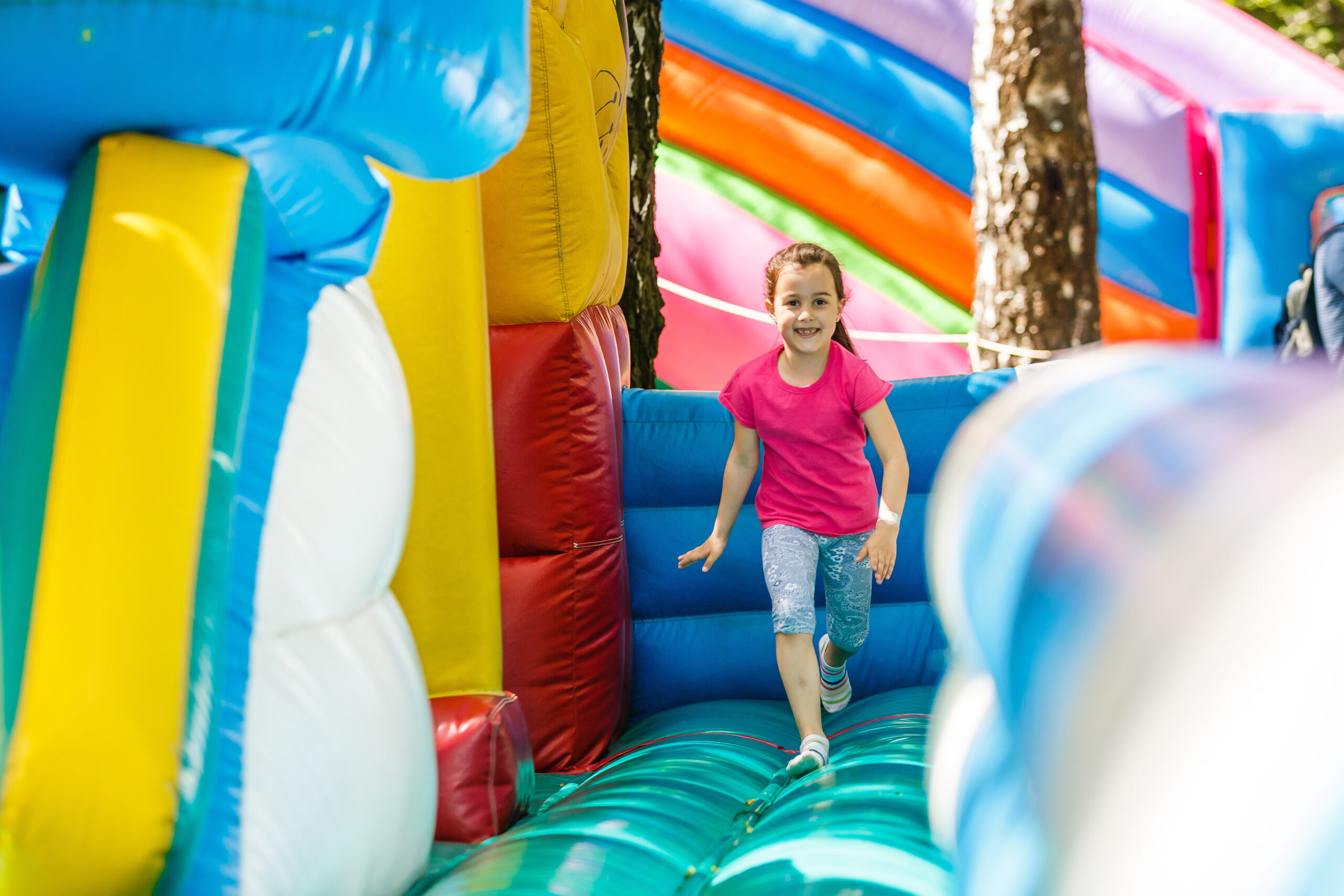
Bringing Lessons to Life With Thematic Inflatables
Key Takeaways: Thematic inflatables (planetariums, rainforest skins, historical replicas) create immersive learning environments that make abstract curriculum concepts accessible. Most inflatables deploy in minutes, support small-group rotation, and can be...
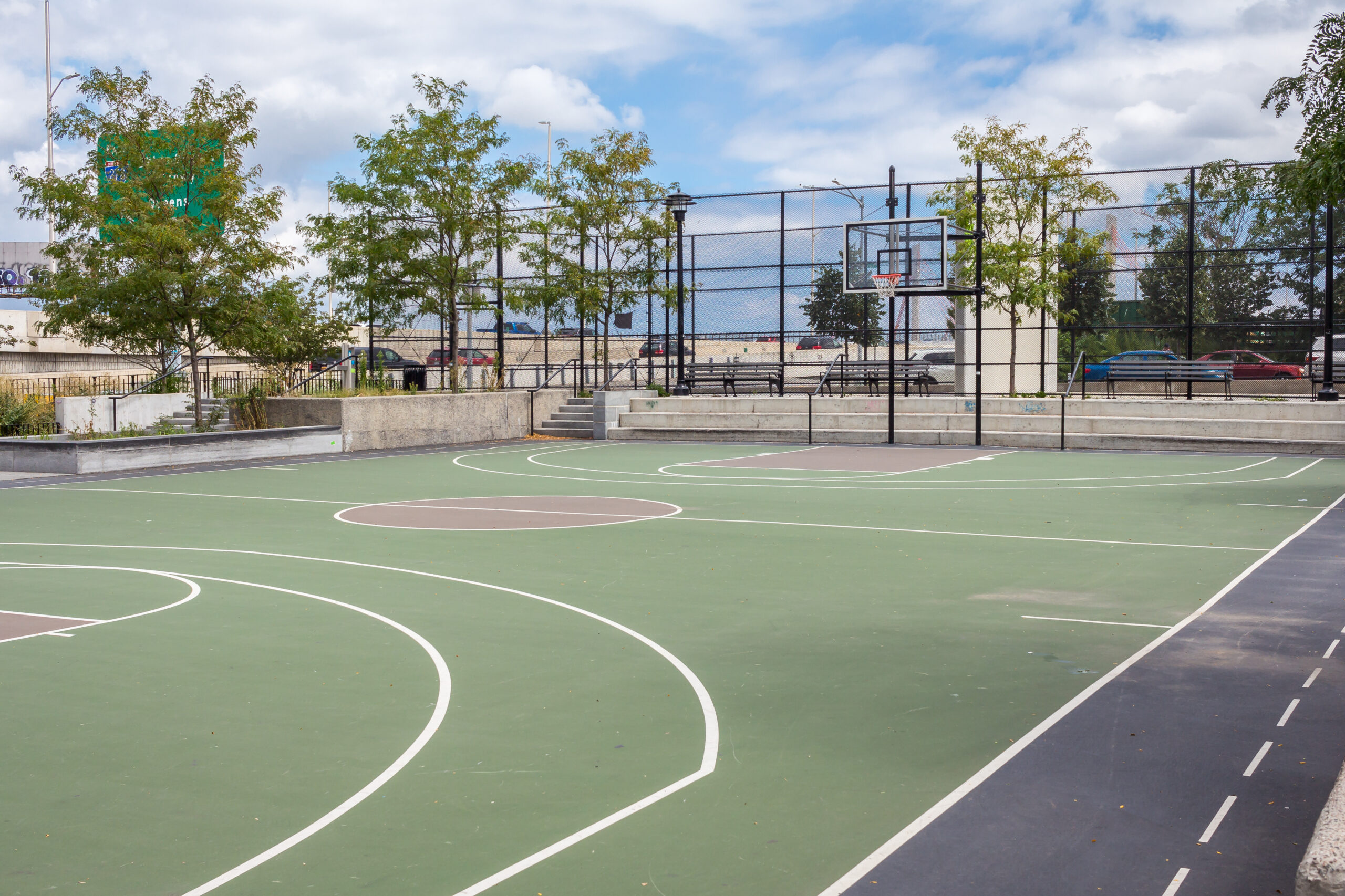
How Simple Court Lines Create Better School Playgrounds
Key Takeaways: Permanent sports court markings transform school playgrounds into flexible, multi-use spaces for PE, football, netball, and basketball without equipment setup. Multi-use games areas (MUGAs) maximize limited school space...
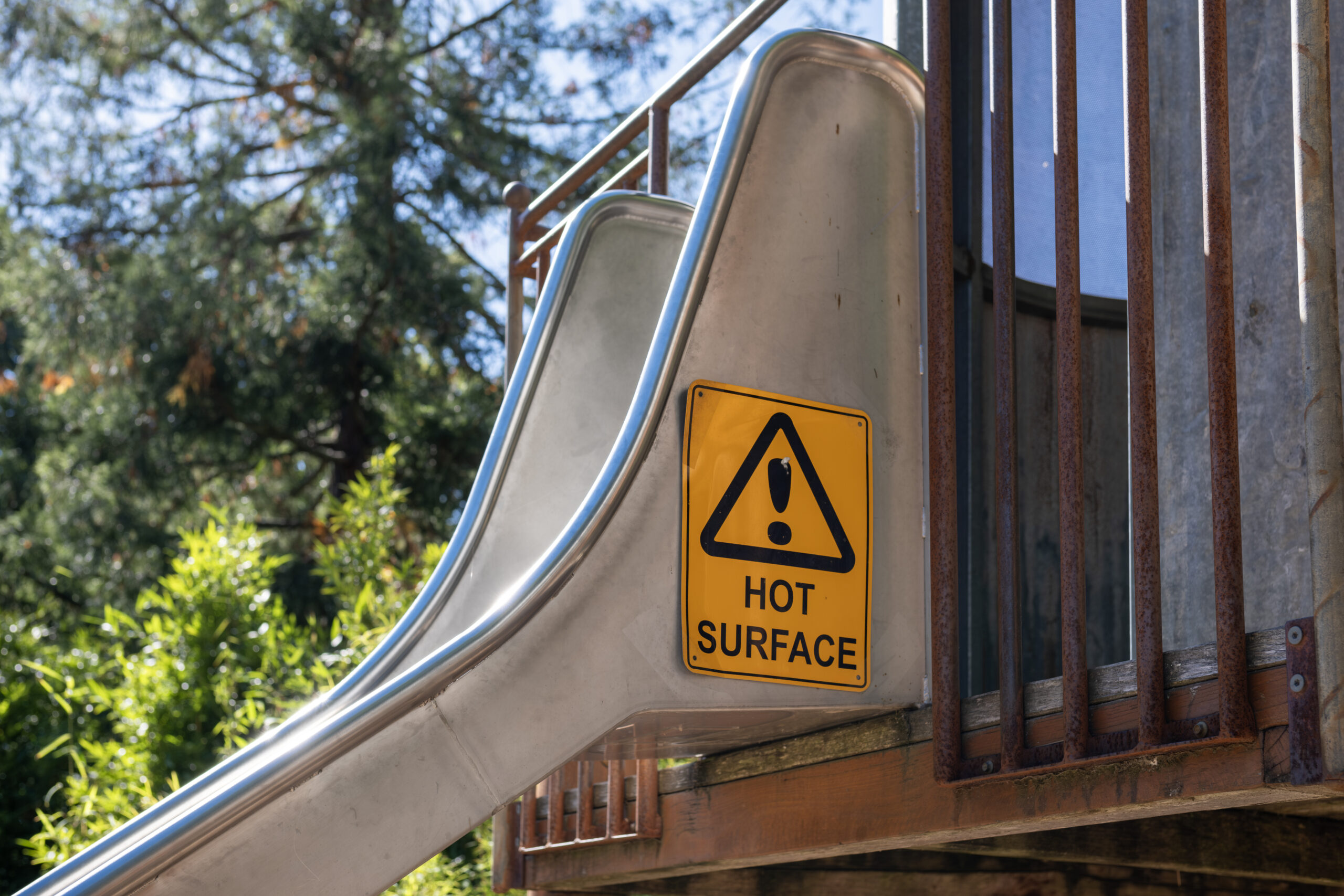
Too Hot to Play: LA’s Schoolyard Shade Problem
Key Takeaways: Over 60% of LA County public school campuses have less than 10% tree canopy in outdoor student areas, with surface temperatures topping 120 degrees during recess and lunch....
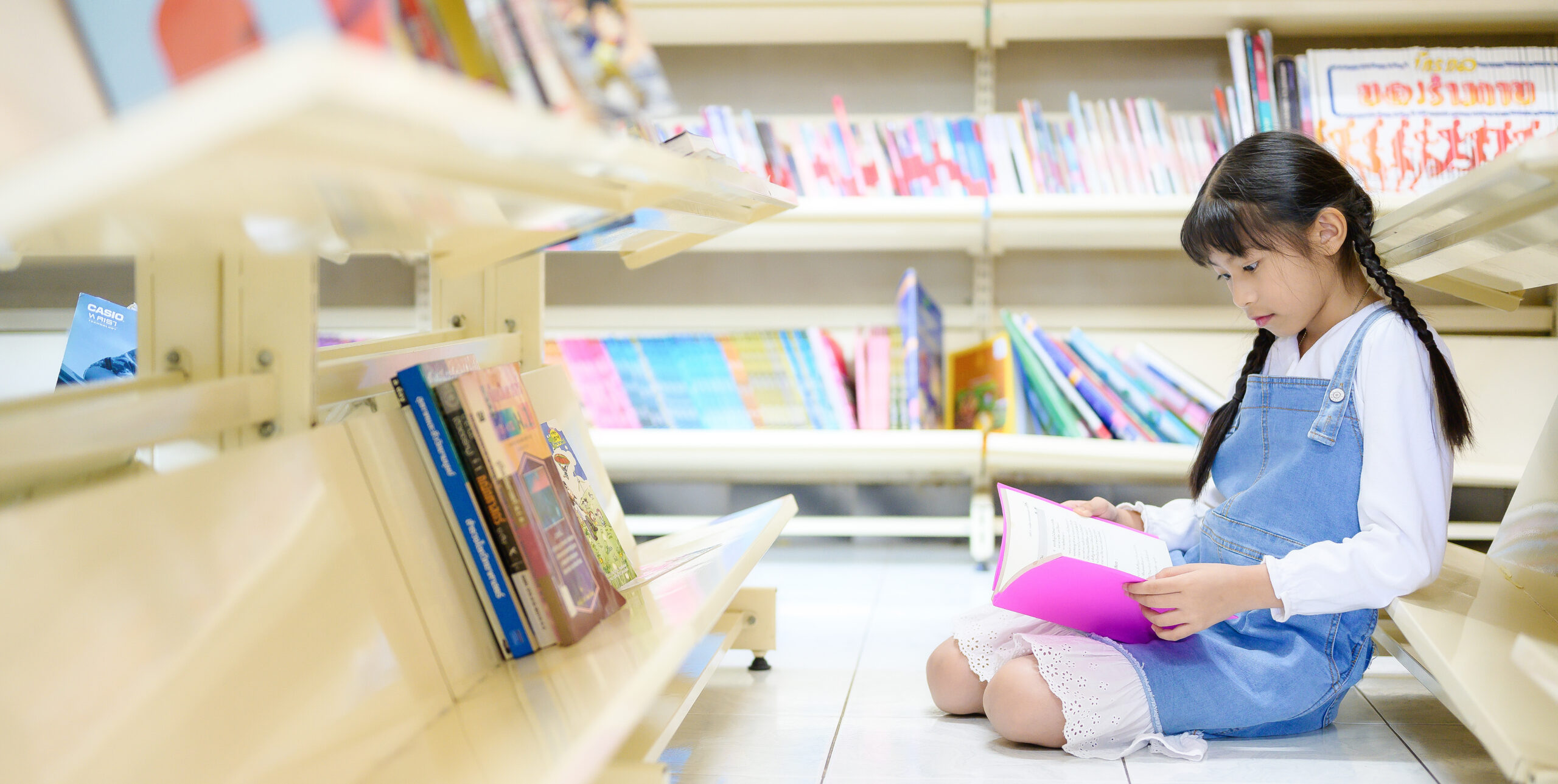
Kids’ Book Storage Ideas That Make Reading More Accessible
Key Takeaways: Front-facing classroom book storage, including wall ledges, sling racks and rotating towers, increases student reading engagement by keeping covers visible and books within reach. Low shelves, cube units...
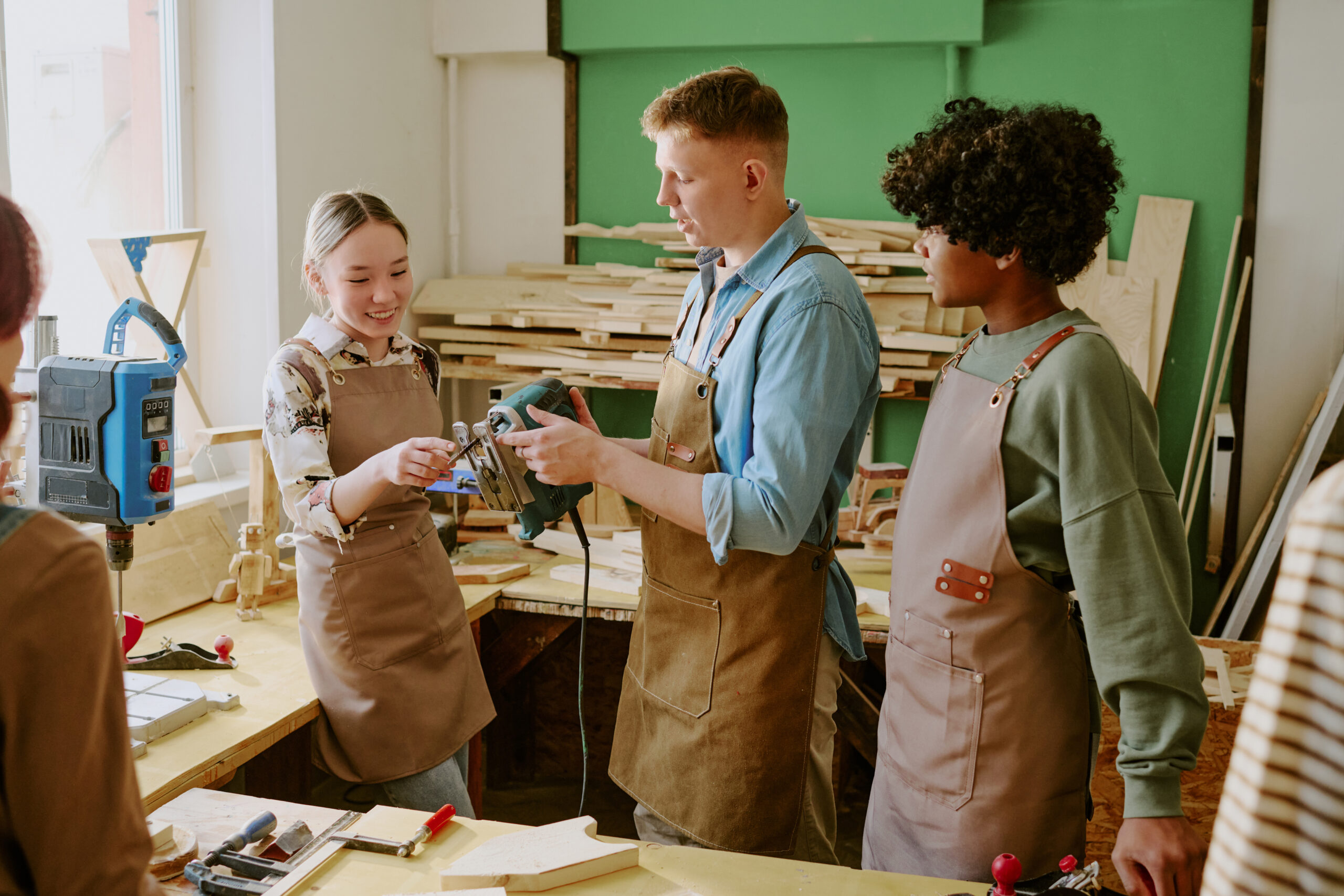
Designing CTE Classrooms That Support Modern Learning
Key Takeaways: CTE classroom design requires coordinated planning across network infrastructure, physical layout, and power capacity. Reliable CTE networks need low latency, strategic access point placement, traffic prioritization, and appropriately...