
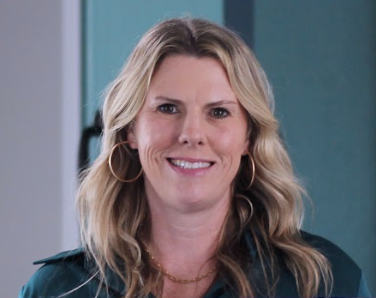
Amanda Perches
Founder of Sensational SpacesSensational SpacesAmanda Perches, OTR/L is a pediatric occupational therapist (OT) with over 25 years of experience serving the autism community. She is the founder of Sensational Spaces, a consulting and design firm specializing in neuroaffirming environments. She integrates OT, neuroscience, and design to create spaces that support regulation, participation, and performance.
Amanda believes OT is the ultimate connector, bridging architects, designers, educators and industry partners to translate complex sensory needs into practical, scalable design solutions. Her work focuses on creating environments where individuals feel seen, supported, and empowered to thrive.
As a speaker aand consultant, she trains professionals in therapeutic neuroaffirming design, emphasizing how the built environment directly impacts behavior, attention, emotional regualtion, and connection. Amanda is passionate about shaping a future of school design where all students can fully access learning and educators can feel supportive, effective, and connected to their purpose.
GENERAL SESSION: Colleagues of the Round Table: Addressing Wicked Problems in Learning Design
Education is not short on ideas — it is short on aligned action and honest conversation. “Colleagues of the Round Table” is a live, participatory foru
…Education is not short on ideas — it is short on aligned action and honest conversation. “Colleagues of the Round Table” is a live, participatory forum designed to surface the real conversations education leaders need but rarely have in public settin
…Education is not short on ideas — it is short on aligned action and honest conversation. “Colleagues of the Round Table” is a live, participatory forum designed to surface the real conversations education leaders need but rarely have in public settings. This session dissolves the traditional boundary between panel and audience, inviting participants into a structured experience of peer-to-peer dialogue, challenge, and debate.
Using pre-session in
…Education is not short on ideas — it is short on aligned action and honest conversation. “Colleagues of the Round Table” is a live, participatory forum designed to surface the real conversations education leaders need but rarely have in public settings. This session dissolves the traditional boundary between panel and audience, inviting participants into a structured experience of peer-to-peer dialogue, challenge, and debate.
Using pre-session input from attendees, the session centers on authentic tensions shaping future-ready learning: innovation versus accountability, AI acceleration versus instructional readiness, and student well-being versus performance pressures. Participants engage in facilitated roundtable discussions, followed by cross-table exchanges that disrupt echo chambers and broaden perspective.
Structured debate protocols guide participants through positioning, evidence-building, counterargument, and perspective-shifting, ensuring rigor and equity of voice. Rather than seeking premature consensus, the session prioritizes clarity — helping leaders identify what they believe, where tensions persist, and what that means for action. Leave with a co-developed Future-Ready Learning Blueprint, including design principles, priority tensions, and immediate next steps. More importantly, they leave with sharper thinking, grounded in the collective intelligence of their peers.
Limited capacity. RSVP required.
Sponsored by: KI and Patcraft
Show MoreClick the title to see all detailsShow More
















Interactive Therapeutic Design: A Sensory Exploration of Neurodiverse Learning Environments
One in five students is neurodivergent, yet most environments ignore the nervous system. Are we designing schools from the wrong end? Grounded in occu
…One in five students is neurodivergent, yet most environments ignore the nervous system. Are we designing schools from the wrong end? Grounded in occupational therapy and neurosensory science, this session introduces a bottom-up approach to designing
…One in five students is neurodivergent, yet most environments ignore the nervous system. Are we designing schools from the wrong end? Grounded in occupational therapy and neurosensory science, this session introduces a bottom-up approach to designing for regulation before academic performance. Through research and interactive experiences, participants will learn to create inclusive neuroaffirming environments that support both student learning an
…One in five students is neurodivergent, yet most environments ignore the nervous system. Are we designing schools from the wrong end? Grounded in occupational therapy and neurosensory science, this session introduces a bottom-up approach to designing for regulation before academic performance. Through research and interactive experiences, participants will learn to create inclusive neuroaffirming environments that support both student learning and educator well-being. Let's design spaces that center regulation, unlock participation, and elevate education.
Show MoreClick the title to see all detailsShow MoreThe Big Neurodiversity Conversation!
Join an international gathering of experienced designers, researchers and practitioners for a conversation about how we can facilitate learning in a N
…Join an international gathering of experienced designers, researchers and practitioners for a conversation about how we can facilitate learning in a Neurodiverse World.
Join an international gathering of experienced designers, researchers and practitioners for a conversation about how we can facilitate learning in a Neurodiverse World.
Join an international gathering of experienced designers, researchers and practitioners for a conversation about how we can facilitate learning in a Neurodiverse World.
Show MoreClick the title to see all details