

Designing classrooms to maximize support for self-regulation skills and reduce over-stimulation for some students can benefit the entire class. Providing reasonable accommodations can make all the difference in helping students reach educational milestones and bolster the success of inclusive classrooms. Researchers have developed effective strategies for creating “relaxation stations” designed strategically to facilitate student development of self-regulation skills.
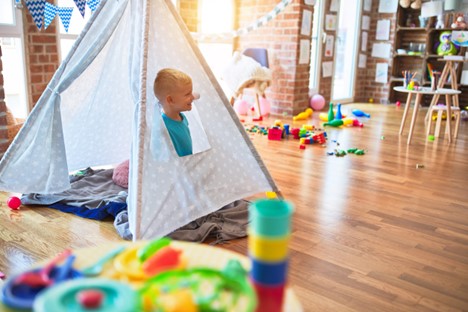
While some students can thrive in over-stimulating environments, many children need to be in spaces where sensory stimuli are more limited. For some students, bright classroom lights can be too distracting and for other students too much noise can impact their ability to learn and control their own behavior.
By creating relaxation stations within the classroom, and providing clear rules for how to use these spaces, students can begin to learn when they need to take a break and how they can develop ways to soothe themselves so that they can then calmly rejoin classroom activities.
Calming Stations
Creating calming areas—sometimes called “relaxation stations” or calming corners—in every classroom provides much needed support for neurodiverse learners and can help minimize overstimulation. The purpose of these spaces is not to punish, control, or address out of control behavior, but to help children recognize the need for getting their behavior under control and further developing their self-regulation skills and coping strategies.
Relaxation stations in classrooms should be a part of any inclusive and accessible classroom design plan. These areas provide teachers and students with a proactive way to head off challenging behaviors before they fully emerge in the classroom.
Researchers Maich, Davies and van Rhijn did a deep dive into the research on using Relaxation Stations and recommend that these stations be part of the classroom and be used as part of an everyday classroom practice. They recommend the following components to ensure successfully supporting student self-regulation skills:
1. Carefully choose the location
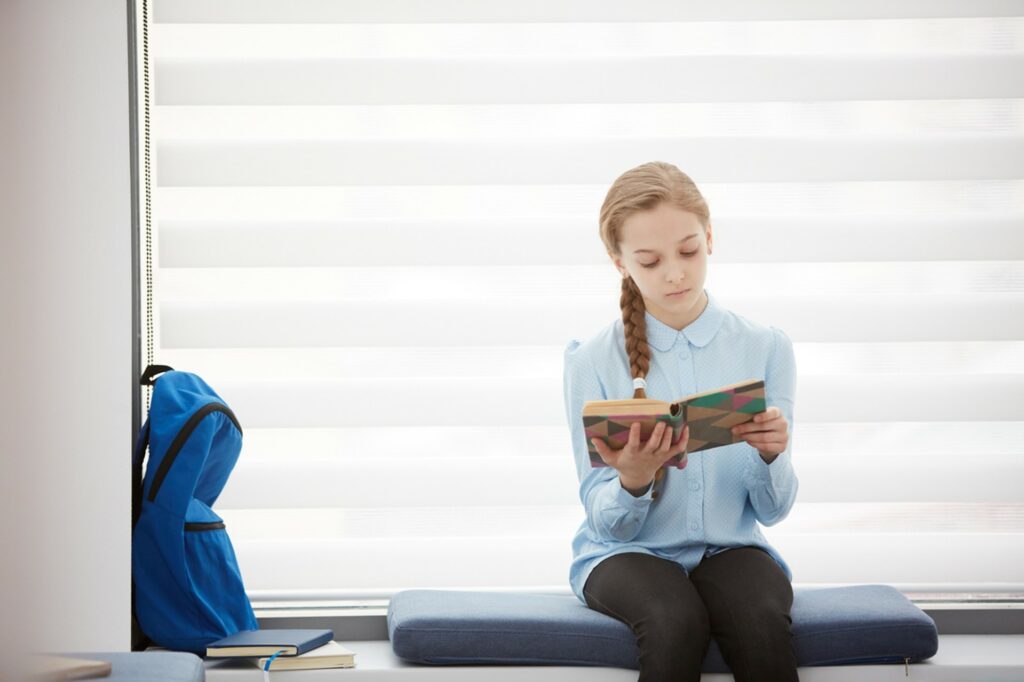
Choose an area that is out of the way and semi-private. The degree of privacy versus being able to see and supervise students in the area can vary by the age and maturity level of the students. For younger students, a tent with a window, a partially closed off nook area within the room, or a lower loft reading area can work well. Older students can make use of portable desktop dividers, loft space, or large pillows. Choose less noisy and less bright areas of the classroom when possible.
2. Provide clearly marked boundaries for the space
Partial curtains, bookcases, trifold privacy panels, or dividers can provide clearly defined boundaries for the space. How the space is defined and arranged will help influence how students use the space. Some preschool classrooms use a structure such as a pretend boat or whale that the students can go inside of and become more centered and calmer.
3. Create visuals that indicate how to use the space
Images and signs can designate the space as a cozy place to support self-regulation. Teachers, with help from students, can come up with a fun name to call the area to provide it with a unique identity and help students understand how to use the space. Images of peaceful children and animals can be posted within the space.
4. Establish Rules for Use and for Entering and Exiting the Space
Co-create with the students a few simple rules as to how students should use the space. Don’t get overly detailed with this – 5 or 6 rules tend to be the most effective in terms of follow through. Teachers may want to use a certain type of language to cue the child that they need to de-accelerate their behavior: Perhaps you would like to relax in the cozy corner, for example.
Promote positive behaviors by prompting students to access self-regulation spaces when needed. Some classrooms use “break cards” that help students learn to self-monitor and know when they need a break and understand that the break is time limited. Define how many students can use the space at the same time, how long breaks should last, and a visual timer and self-monitoring form so that older students can be mindful of how they are using the space.

5. Provide Relaxation Tools and Comfort Objects
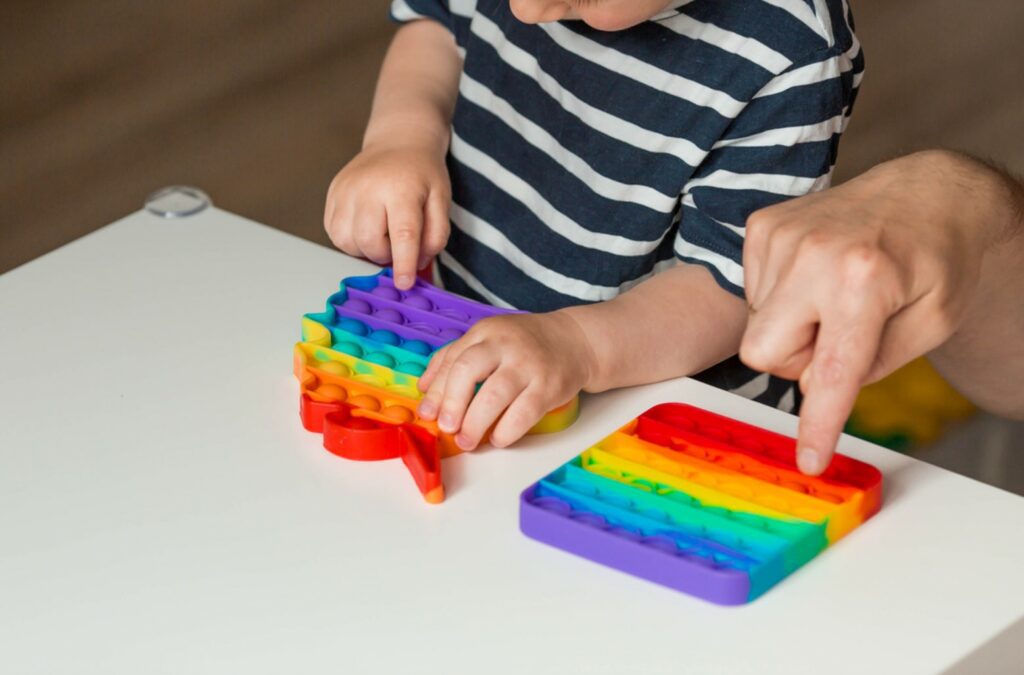
Include manipulatives and other tools such as cards with suggestions on how to calm down and scales to use for tracking emotional states (color coded or with faces expressing emotions for younger students to select). This can help students choose which types of self-regulation strategies to use to comfort themselves.
Comfortable furniture, cuddly toys, and images or instructions on how to use a yoga posture to self-soothe can help the space project an atmosphere of calm. Students can add images of their special passions or interests or items that help them feel in control and help them deescalate stressful feelings. Finally, fidget tools, stress balls, calming putty, noise canceling headphones, tactile sensory items, or weighted blankets can be available for use.
Classroom design has a powerful impact
Choosing to incorporate physical spaces for bolstering self-regulation skills within the classroom can have substantial and long-lasting effects on the learning outcomes of all students.
Click Here to Read More Articles Like This
This article was based, in part, on research from: Maich, K., Davies, A. W. J., & van Rhijn, T. (2019). A Relaxation Station in Every Location. Intervention in School and Clinic, 54(3), 160–165. https://doi.org/10.1177/1053451218767916
