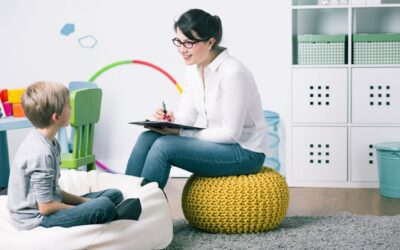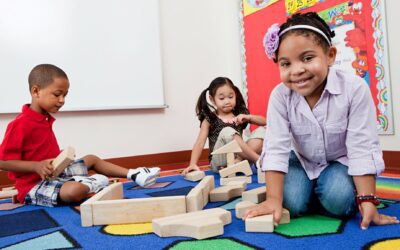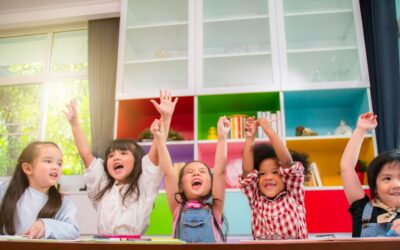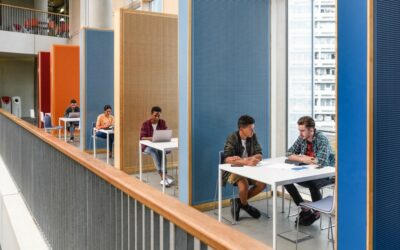
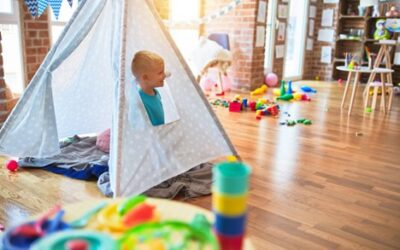
Designing classrooms to maximize support for self-regulation skills and reduce over-stimulation for some students can benefit the entire class. Providing reasonable accommodations can make all the difference in helping students reach educational milestones and bolster the success of inclusive classrooms. Researchers have developed effective strategies for creating “relaxation stations” designed strategically to facilitate student development of self-regulation skills.
Author Profile
Kevin Bienkowski
Kevin Bienkowski's Recent Articles
Flexible Seating in Classrooms: A Paradigm Shift Towards a More Engaging Learning Environment
By adopting flexible seating, we are taking a significant step towards creating a more dynamic, inclusive, and effective learning environment for all students.
Designing Classrooms to Support Neurodiversity
There is strong research support indicating that the way the classroom environment is arranged can greatly impact the learning outcomes of students with autism.
Let the Sunshine In: Daylight Harvesting to Energize Students and Teachers
Natural daylighting offers a multipurpose solution to districts by helping buildings adapt to increasingly urgent environmental initiatives while simultaneously boosting the performance of students and teachers. With the implementation of early design factors or the application of small building modifications, schools can create and save energy concurrently.
How Innovative Classroom Design Can Boost Social-Emotional Learning
Recent studies have shed light on the profound impact that classroom environments can have on students’ Social Emotional Learning (SEL).
The Critical Role of Visual Design in K-12 Classrooms
Does the visual design and layout of a classroom hold any significance? Does it influence a student’s ability to learn? I can confidently affirm that it does, and I have a compelling personal experience backed up by research to support this claim.
The Classroom of the Future: Designs that Support Flexible, Mobile, and Collaborative Tech Tools
Classrooms have had to evolve quickly in the last few years to meet the changing demands placed on teaching and learning during the pandemic. As we move into a post-COVID world, school leaders are rethinking what the classroom of the future needs to look like to support new student-centered pedagogical approaches and prepare for future challenges.
Creating the Calm Classroom: 3 Design Strategies to Promote Student Well-Being
As more students struggle with anxiety and depression, schools are prioritizing mental health supports. Small improvements in the design of physical spaces in schools can make enormous differences in enhancing student well-being.
What are Schools Doing to Improve Indoor Air Quality (IAQ)?
Improving ventilation in schools is one of the most important ways to reduce the spread of COVID. Yet, half of all school districts have not moved past the IAQ planning stages. With government funds available, now is the time to move forward.
Building the Kinesthetic Classroom
The Kinesthetic Classroom Supports Active and Action-Based Learning to Drive Engagement and Improve Learning