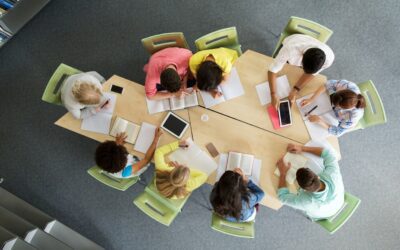
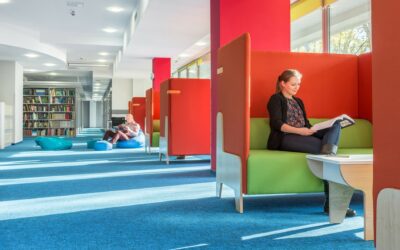
Spatial design is defined as the glue that connects the built environment with the needs of students and educators that the space is designed to serve. While spatial design is sometimes overlooked when planning classrooms and other school spaces, there is a growing awareness of the importance of spatial design to the learning process.
Author Profile
Kevin Bienkowski
Kevin Bienkowski's Recent Articles
Navigating the HyFlex Model: A Comprehensive Guide for K-12 Educators
HyFlex learning is defined as a blend of in-person, synchronous online, and asynchronous online learning experiences. The HyFlex model is the result of a paradigm shift in education in recent years, mostly catalyzed by technological advancements and the sudden outbreak of the COVID-19 pandemic. The Hybrid-Flexible, or “HyFlex” model is especially popular in higher education settings and is now gaining popularity in K-12 education.
Building New Outdoor Learning Spaces: Cutting Edge Initiatives for a Post-Covid World
Outdoor learning spaces are not just about getting some fresh air and vitamin D. They are about fostering creativity, critical thinking, and problem-solving skills in a whole new light. Through the use of flexible, multi-age outdoor learning spaces, students can collaborate on team building activities, sharpen their communication skills while building a makeshift shelter or conquer an obstacle course. The possibilities are as vast as the great outdoors itself!
The 5 Best Facilities Management Software Tools for K-12
What is the best Facilities Management (FM) software for schools? With the complexities of running academic institutions akin to those of large corporations and governments, this question has never been more vital. We have reviewed dozens of possible facilities management platforms and narrowed them down to the 5 best and most effective FM planning tools. Computerized Maintenance Management Systems (CMMS), and Enterprise Asset Management Software (EAM), which tends to be more in-depth than a CMMS, have become essential for school infrastructure planning.
Building Green Sustainable Schools: From Vision to Reality
A “green sustainable school” refers to an educational institution that prioritizes environmental responsibility, ecological literacy, and sustainability in both its operations and curriculum. These schools aim to minimize their environmental impact, reduce waste, conserve resources, and create healthier spaces for learning, all while preparing students to become responsible global citizens.
Best Strategies for Classroom Designs that Promote Collaborative Learning
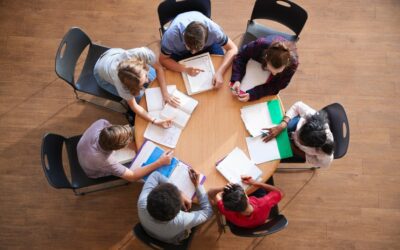
To maximize learning, educators and administrators must work together to design whole school and individual classroom environments that support collaborative learning yet allow for flexibility to support independent work.
Safe and Sound: 4 Strategies for Mixing Noise with Learning
Noise pollution, loud sounds, and decibel-defying audio input are staples in every school, with tangible effects on both students and staff. School leaders can take action to manage excessive noise for a conducive learning environment from the cafeteria to the classroom.
School Safety: An Update on New PASS K-12 Safety and Security Guidelines
The Partner Alliance for Safer Schools (PASS) has recently made a series of timely updates to their K–12 safety and security guidelines. These modifications underline the urgency for well-executed security measures in districts and schools and shed light on the importance of strategic planning in addressing various risks and threats. As superintendents, facilities managers, and school leaders, comprehending and implementing these revised guidelines are paramount to safeguarding our students, staff, and overall school community.
6 Steps to Take to Gain Voter Support for School Bonds
With increased demand to comply with energy and environmental standards, school buildings are either rising to the occasion or crumbling under pressure. Funding for renovations, or new builds entirely, is contingent on getting a bond measure passed by district voters. To ensure a successful bond passage, there are several important actions school administrators can take during a campaign.
Creating an Effective Sensory Room for Students
A sensory room is a specially designed area that offers students a variety of sensory experiences. It serves as an accommodation for some students and may also be known as a Multi-Sensory Room (MSE) or Snoozelen Room. Sensory rooms first emerged in the Netherlands during the 1970s and have since gained popularity in the education community as a means of promoting a child’s overall well-being.