

In higher education, academic rigor and cognitive stamina are prized commodities. College students navigate back-to-back lectures, complex research projects, dense reading lists, and constant digital notifications. By midday, many experience a subtle but pervasive cognitive burnout: difficulty focusing, heightened irritability, and impaired problem-solving.
While universities invest heavily in mental health counseling, academic tutoring, and athletic centers, they frequently overlook a primary site of daily mental strain: the physical classroom.

By applying Attention Restoration Theory (ART) to the design of higher education facilities, campus planners can transform stressful, draining environments into restorative learning spaces that actively rebuild student focus and elevate academic performance.
Understanding Attention Restoration Theory (ART)
Developed by environmental psychologists Rachel and Stephen Kaplan in the late 1980s, Attention Restoration Theory posits that human attention is divided into two distinct modes:
- Directed Attention: This is the effortful, focused mental energy required to analyze data, listen to a complex lecture, write an essay, or solve an equation. Directed attention requires conscious control and active suppression of distractions. Because the brain’s capacity for directed attention is finite, prolonged use leads to directed attention fatigue (DAF).
- Involuntary Attention (Fascinating Attention): This form of attention requires zero mental effort. It is triggered effortlessly by intriguing, non-threatening stimuli—such as watching leaves blow in the wind, observing moving water, or watching clouds pass by.
ART asserts that the primary mechanism for recovering from directed attention fatigue is engaging involuntary attention. When a person steps into an environment that engages involuntary attention—a state known as “soft fascination”—the brain’s directed attention mechanisms rest, recover, and recharge.
To create a truly restorative environment, Kaplan identified four essential components:
- Being Away: A physical or psychological sense of distance from one’s daily routine and cognitive demands.
- Extent: A rich, cohesive environment that feels like a coherent world to explore.
- Fascinating Stimuli (Soft Fascination): Gentle, captivating elements that engage interest without demanding active analysis.
- Compatibility: A space that aligns with the user’s goals and natural preferences.

What Recent Research Tells Us About ART in Higher Education
While ART originally focused on natural wilderness settings, contemporary research confirms that even subtle, micro-restorative indoor interventions can significantly boost cognitive performance in young adults.
- Micro-Restoration through Nature Views: A landmark study published in the Journal of Environmental Psychology demonstrated that exposing young adults to a brief, 40-second view of a green roof improved focus and significantly reduced response errors during a demanding attention task compared to those looking at a concrete roof.
- Indoor Plants and Attentional Recovery: Research in Frontiers in Psychology examining university indoor environments found that integrating potted plants and natural wooden textures into learning spaces led to lower self-reported stress, lower physiological markers of arousal (like heart rate variability), and improved performance on working memory tests.
- Biophilic Design in Higher Ed Facilities: A study evaluating biophilic interventions in higher education building design showed that natural light combined with dynamic natural imagery triggered soft fascination, helping students recover faster from study fatigue between classes.
For college administrators, these findings carry a clear message: cognitive restoration does not require a wilderness excursion. It can happen right inside the lecture hall.
Practical Implementation: Steps for University Administrators
Incorporating Attention Restoration Theory into campus design requires a balanced approach, blending immediate, budget-friendly fixes with long-term capital investments.
Low-Cost, Immediate Strategies
- Clear Window Sightlines and Strategic Seating Layouts
- Action: Audit existing classrooms to ensure windows are unobstructed by heavy blinds, storage cabinets, or tall AV equipment. Arrange desks and seating radially or at angles that allow students to catch views of trees, quad foliage, or sky without straining.
- Impact: Provides effortless micro-restorative visual breaks (“soft fascination”) during long lectures.
- Introduce High-Impact Indoor Vegetation
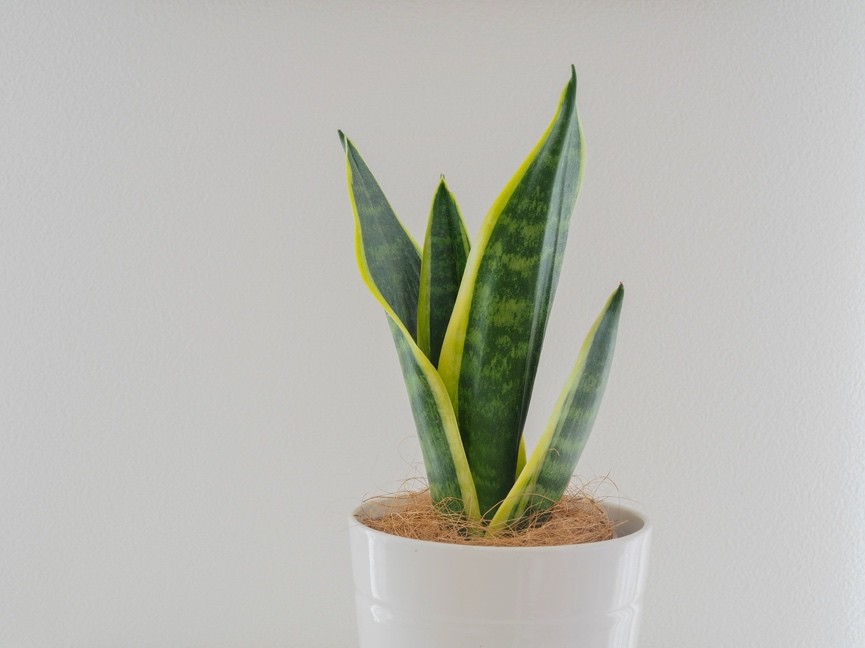
- Action: Position low-maintenance, air-purifying indoor plants—such as snake plants, pothos, or ZZ plants—near window sills, instructor desks, and empty corners.
- Impact: Injects natural textures and green tones into stark environments, triggering involuntary attention and reducing physiological stress.
- Incorporate Biophilic Artwork and Dynamic Imagery
- Action: Replace generic abstract prints or blank walls with high-resolution photography depicting natural landscapes, forest canopies, or water features. On digital displays in common areas and lecture halls, program natural scenery screensavers during break periods.
- Impact: Engages soft fascination during intermissions between class segments.
- Establish Visual “Rest Stops” Within Classrooms
- Action: Reduce visual clutter by removing outdated paper flyers, tangled cables, and excessive wall signage. Designate 30% to 40% of classroom wall space as clean, neutral visual buffer zones.
- Impact: Minimizes competing visual stimuli that force the brain to spend energy filtering out background noise.
Comprehensive, High-Impact Strategies
- Install Tunable Circadian LED Lighting and Dynamic Daylighting
- Action: Retrofit older fluorescent light fixtures with color-tunable LED systems paired with automated shading systems that maximize diffuse natural sunlight.
- Impact: Aligns indoor lighting with natural daily sun cycles, supporting student alertness during intense coursework while preventing the eye strain and fatigue linked to static overhead lighting.
- Incorporate Natural Architectural Materials and Biophilic Finishes
- Action: During classroom refurbishments, specify exposed timber, bamboo paneling, stone accents, and organic fiber wall coverings rather than synthetic laminate and cold metal.
- Impact: Satisfies the human innate preference for natural textures, creating a tactile and visual environment that fosters a sense of psychological “being away.”
- Design Restorative “Transition Zones” and Courtyard Access
- Action: Redesign corridors outside major lecture halls to include indoor green walls, comfortable wood-bench seating, and direct sliding glass access to outdoor courtyards or green roofs.
- Impact: Transforms hallway bottlenecks into functional “decompressing buffers” where students can recharge between consecutive 90-minute classes.
- Acoustic Masking with Natural Soundscapes
- Action: Equip large, high-density study labs and multi-use learning commons with acoustic dampening panels and subtle, sound-masking technology that incorporates soft, rhythmic natural soundscapes (e.g., gentle rain or distant ocean waves).
- Impact: Masks disruptive HVAC or hallway noise while providing soft auditory fascination that restores cognitive energy.
Investing in the Cognitive Architecture of Success
As higher education institutions navigate growing student wellness concerns, physical infrastructure must be recognized as an essential component of the academic ecosystem.
By applying Attention Restoration Theory to classroom and facility design, university leaders can move beyond passive shelter and create active, brain-supportive environments. Designing spaces that replenish directed attention helps colleges foster sharper focus, lower burnout, and empower students to perform at their absolute best.
Leslie Stebbins is the director of Research4Ed. She has more than twenty-five years of experience in higher education and K-12 learning and instructional design. Her clients include Harvard University, the U.S. Department of Education, Tufts University, and the Gates Foundation. She has an M.Ed. from the Technology Innovation & Education Program at the Harvard Graduate School of Education and a Master’s in Library and Information Science from Simmons College.