
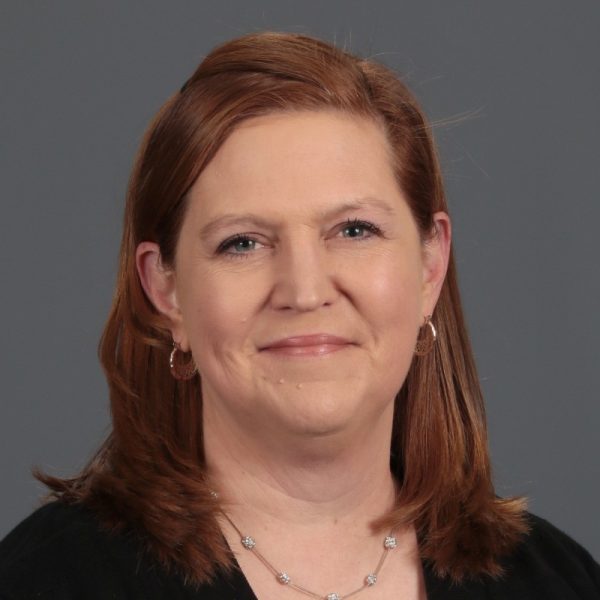
Lynn Urban
Professor and Chair, Department of Criminal Justice & CriminologyUniversity of Central MissouriLynn S. Urban is a Professor and Department Chair of Criminal Justice and Criminology at the University of Central Missouri. She earned Ph.D. (2005) and M.A. (2001) degrees in Criminology and Criminal Justice from the University of Missouri at St. Louis and spent three years as an intern for the St. Louis City Family Court—Juvenile Division. Dr. Urban’s teaching and research focus includes juvenile justice, strategic planning, and children of incarcerated parents. At UCM since 2005 and a department chair since 2014, Dr. Urban has served in many faculty and administrative roles. Duties include curriculum and program development, faculty assignments, leadership for strategic planning, and serving as the Humphreys Building manager.
Designing Culture Through Renovation: Lessons from UCM’s Reimagined Humphreys Building
How can a historic building catalyze new ways of learning and collaborating? At the University of Central Missouri, the century-old Humphreys Building
…How can a historic building catalyze new ways of learning and collaborating? At the University of Central Missouri, the century-old Humphreys Building was reimagined as a flexible academic hub supporting cross-disciplinary collaboration. Because inco
…How can a historic building catalyze new ways of learning and collaborating? At the University of Central Missouri, the century-old Humphreys Building was reimagined as a flexible academic hub supporting cross-disciplinary collaboration. Because incoming occupants came from departments with little prior interaction, the design had to build shared culture, not just rehabilitate a structure. This session explores how inclusive engagement uncovered
…How can a historic building catalyze new ways of learning and collaborating? At the University of Central Missouri, the century-old Humphreys Building was reimagined as a flexible academic hub supporting cross-disciplinary collaboration. Because incoming occupants came from departments with little prior interaction, the design had to build shared culture, not just rehabilitate a structure. This session explores how inclusive engagement uncovered common needs, shaped adaptable learning spaces, and produced strategies now influencing campus-wide standards for student-centered environments.
Show MoreClick the title to see all detailsShow More