
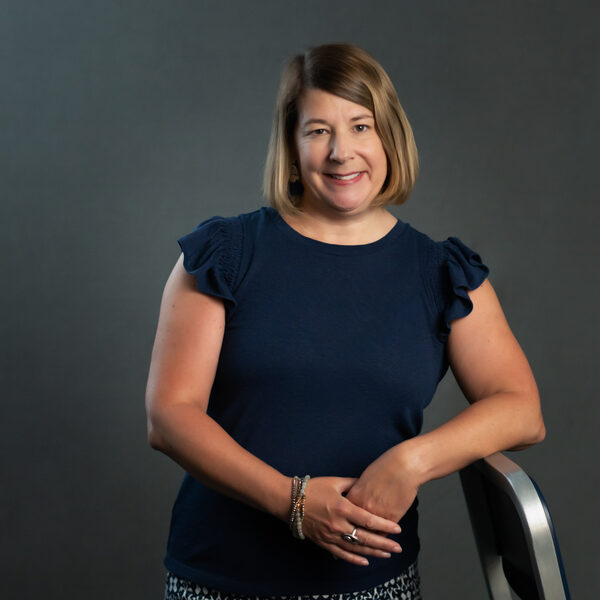
Rebecca Berlin
PresidentGryphon House PublishingRebecca Berlin, PhD is the President of Gryphon House and SVP of Intellectual Property at Kaplan Early Learning Company. Dr. Berlin has 30 years of experience as an educator, researcher, and strategic leader in for-profit, not-for-profit, and public organizations focused on Infant, early childhood and elementary, and special education, as well as parent and community partnerships. She has held many roles in education throughout her career in public and private schools as an early interventionist, an early childhood teacher, an early childhood special education teacher, an autism specialist, and a school administrator. She holds a doctorate in research, policy, and administration from the University of Virginia, where she has also worked as a teacher preparation faculty member and researcher. She was previously the Chief Learning Officer at the Start Early leading their workforce education strategy including overseeing the Office of Head Start National Center for Parent, Family, and Community Engagement. Dr. Berlin serves as the Chair of the Albemarle County Public School Board in Virginia.
WORKSHOP: Transforming Elementary Classroom Spaces into Early Childhood Places
Today, over 1.75 million 3- and 4-year-old children are enrolled in state-funded pre-kindergarten programs. Most of these programs are in elementary
…Today, over 1.75 million 3- and 4-year-old children are enrolled in state-funded pre-kindergarten programs. Most of these programs are in elementary school buildings using classrooms built for older children of different physical sizes and developme
…Today, over 1.75 million 3- and 4-year-old children are enrolled in state-funded pre-kindergarten programs. Most of these programs are in elementary school buildings using classrooms built for older children of different physical sizes and developmental needs. Some children — barely potty trained and only 36 months old — are entering a world designed for significantly older students. Join us to discuss and design early childood PLACES that meet
…Today, over 1.75 million 3- and 4-year-old children are enrolled in state-funded pre-kindergarten programs. Most of these programs are in elementary school buildings using classrooms built for older children of different physical sizes and developmental needs. Some children — barely potty trained and only 36 months old — are entering a world designed for significantly older students. Join us to discuss and design early childood PLACES that meet the needs of our youngest learners.
Show MoreClick the title to see all detailsShow More