

Stories
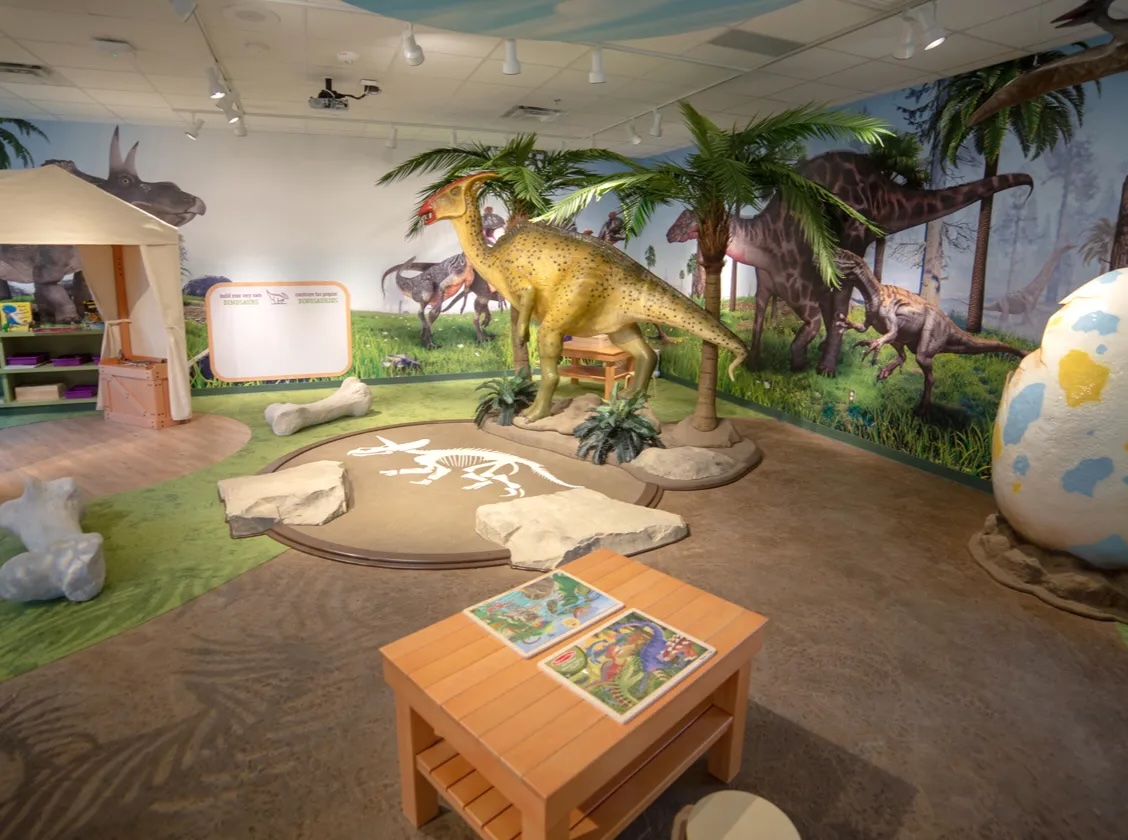
Designing for Access: Five Reasons Experiential Spaces Work for Diverse Learners
One of my favorite memories of elementary school is a fourth-grade field trip to a local one-room schoolhouse. For a day, we stepped back in time and experienced life as students in the 1800s....

Building Brain-Friendly Schools: Linking Research to Practice
In the modern K-12 landscape, "Educational Adequacy" is no longer defined solely by the presence of a whiteboard and four walls.
Transforming Yesterday’s Classrooms into Tomorrow’s Green Schools 7 Steps to Getting Your School LEED Certified
In the modern K-12 landscape, "Educational Adequacy" is no longer defined solely by the presence of a whiteboard and four walls.
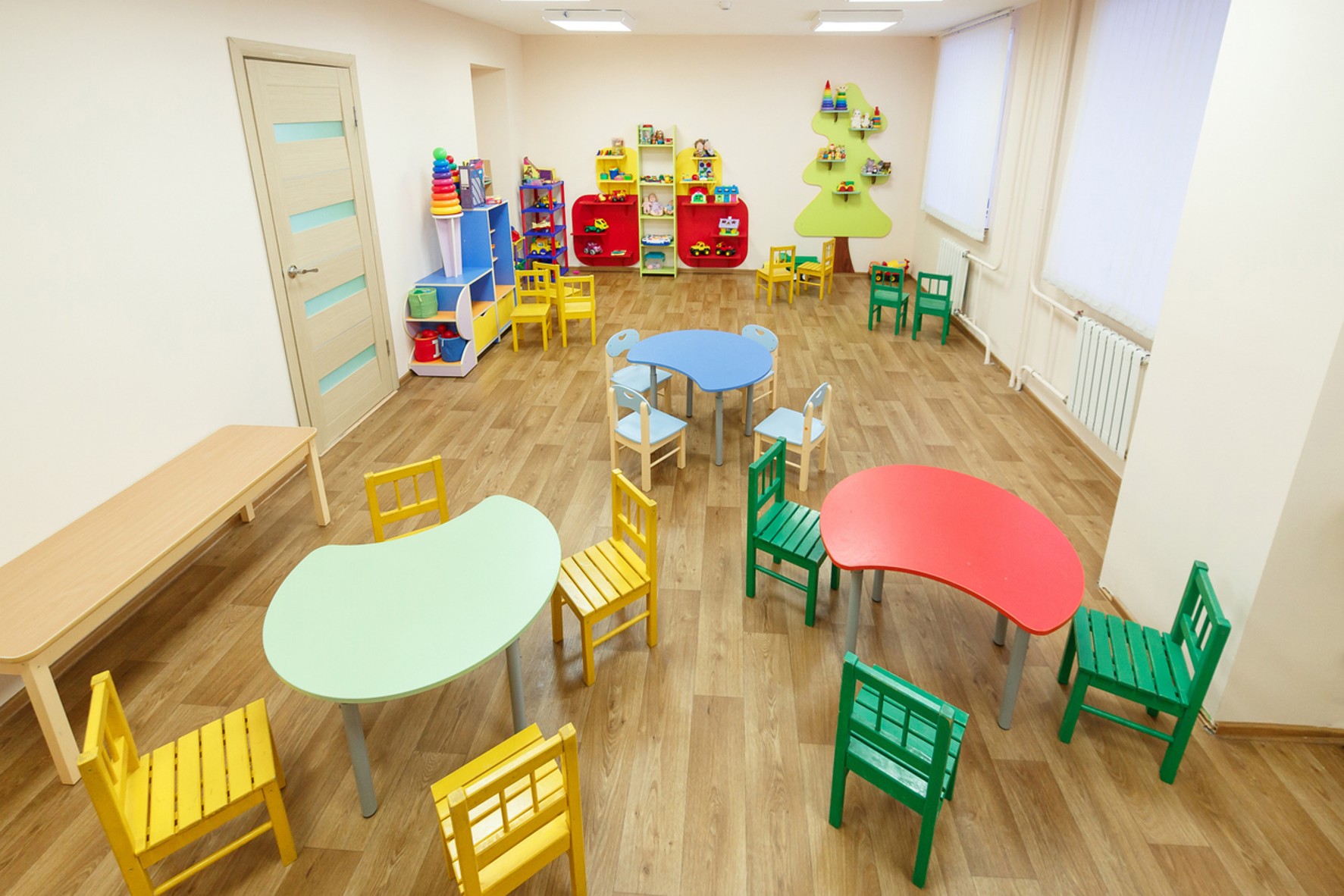
New Classroom Designs for the Neurodiverse Learner: What Works?
In the modern K-12 landscape, "Educational Adequacy" is no longer defined solely by the presence of a whiteboard and four walls.

Designing for Human Potential: How the WELL Building Standard Can Transform College Campuses
In the modern K-12 landscape, "Educational Adequacy" is no longer defined solely by the presence of a whiteboard and four walls.
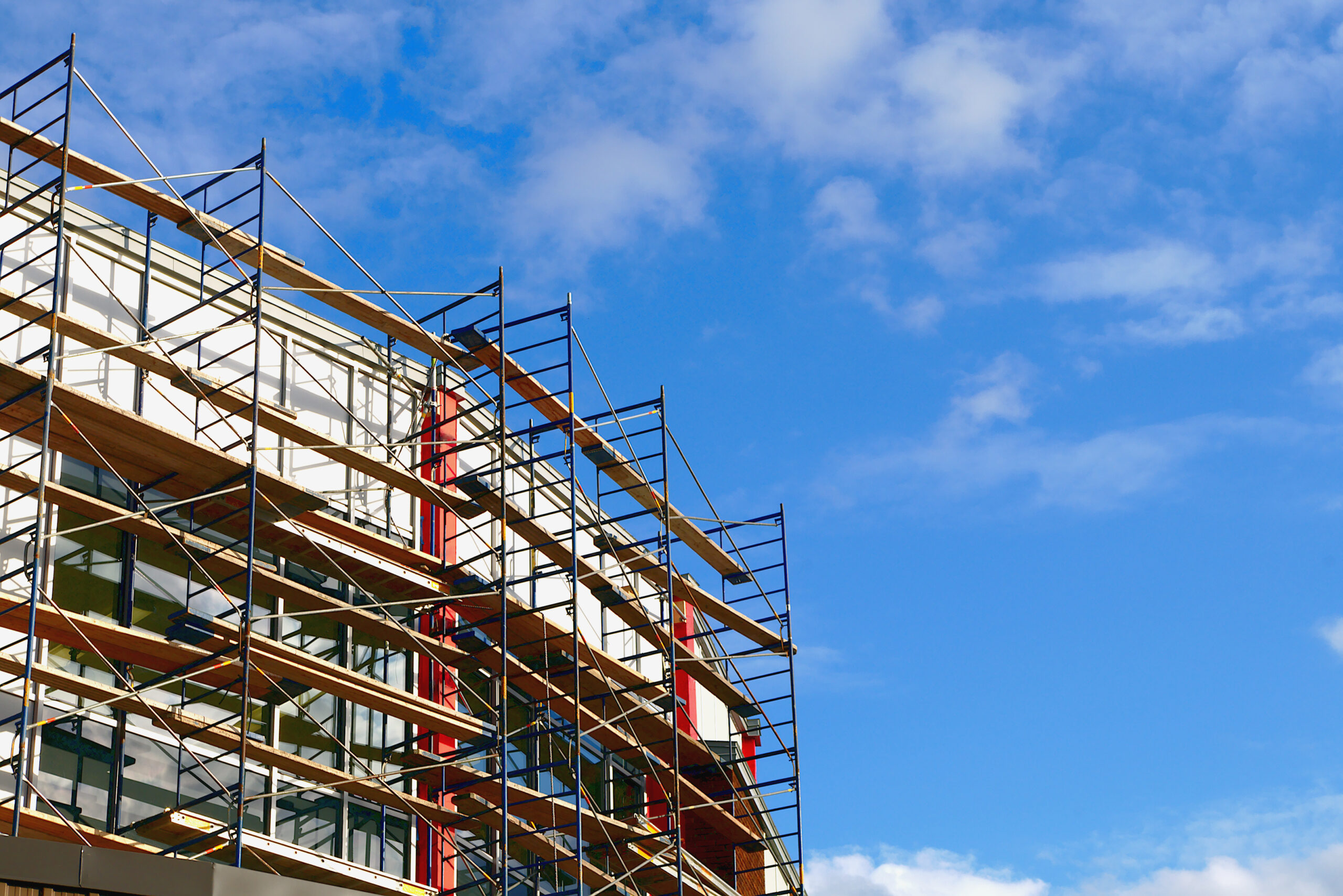
Concordia Lutheran Shows How Public Tours Can Build Trust During School Construction
Key Takeaways: Concordia Lutheran High School in Fort Wayne is hosting free weekly public construction tours of its largest facilities project, running Wednesdays through Nov. 18. Small-group tours give attendees...