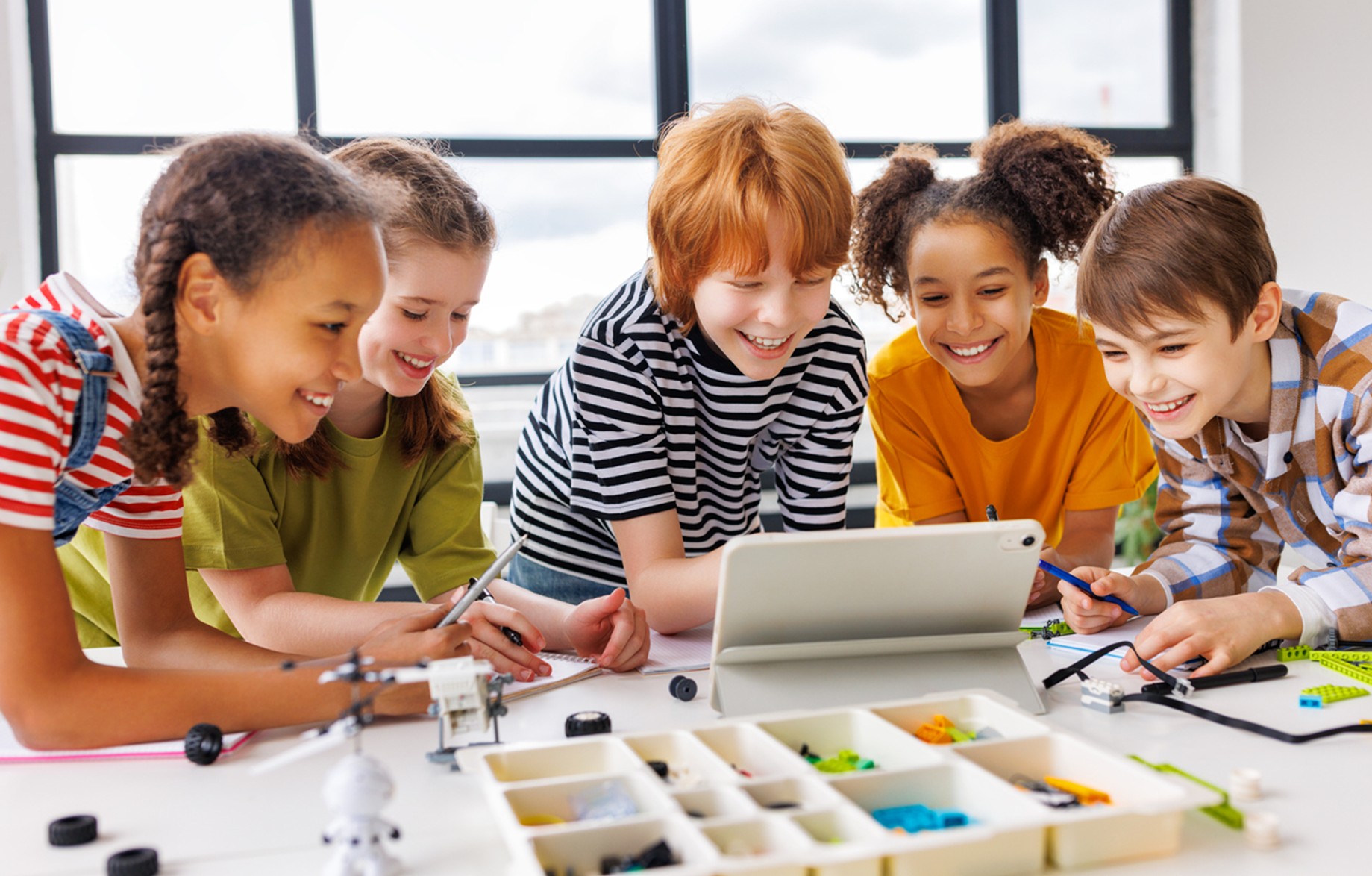
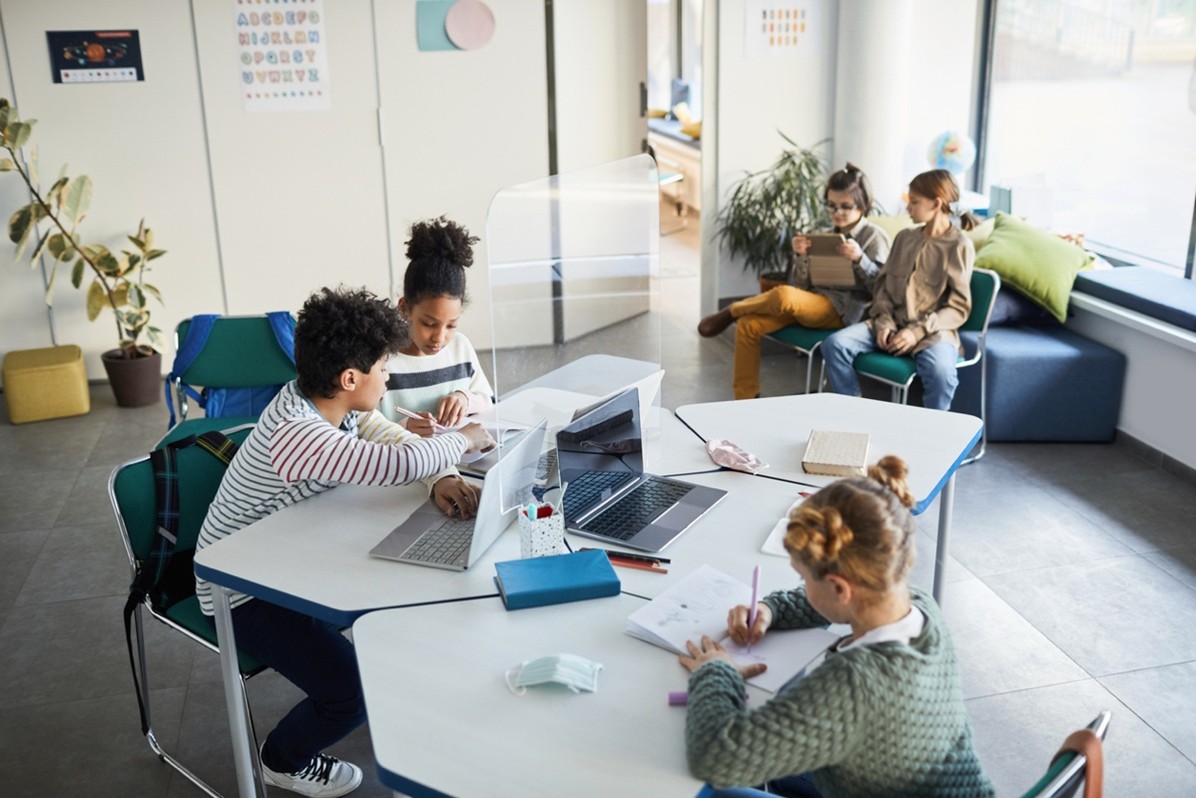
The design of a classroom is far more than a matter of furniture and walls—it’s a foundation for human connection. Every layout choice, color, and piece of furniture sends a message about how students and teachers relate to one another. Classrooms designed to build community foster collaboration, empathy, and shared purpose—key ingredients for learning and personal growth in the 21st century.
The Power of Space to Shape Relationships
Research shows that the physical environment has a profound impact on how people interact and engage. Classrooms designed for connection can strengthen trust, communication, and a sense of belonging among students. Natural light, open sight lines, and flexible layouts support not only focus and comfort but also social well-being—making it easier for students to feel seen and valued.
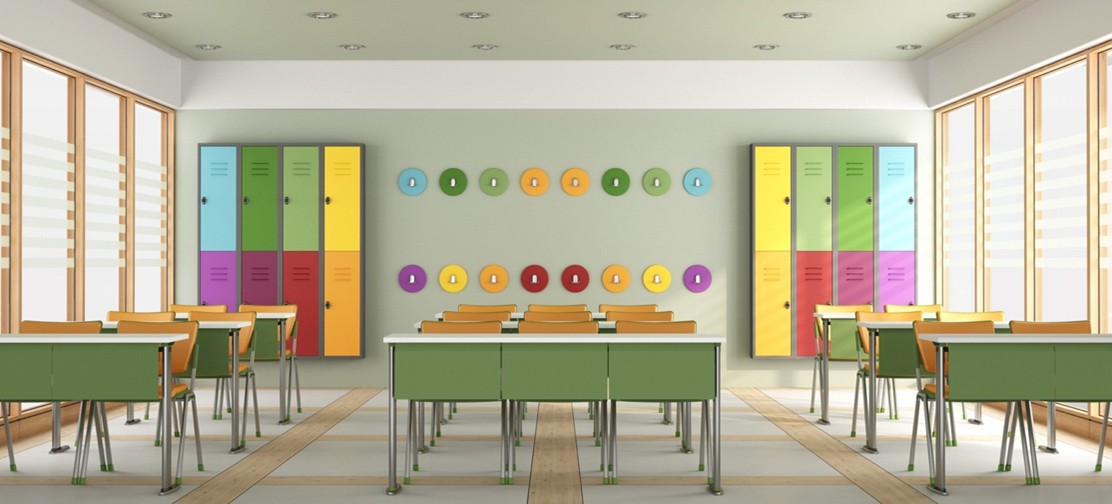
Spatial neuroscience tells us that our brains respond to cues of openness and proximity. When students are arranged in clusters rather than rows, for instance, conversation and collaboration flourish. Color choices also influence how people relate: warm tones encourage social energy and group interaction, while cool tones help calm and balance shared spaces.
Designing for Collaboration and Belonging
A community-oriented classroom is one that adapts to multiple ways of connecting and learning. Instead of static, teacher-centered layouts, these environments invite participation and co-creation. Flexible furniture allows quick shifts between small-group collaboration, peer mentoring, and whole-class dialogue. Writable walls, shared project tables, and circular seating promote equality of voice and shared ownership of ideas.
Intentional design communicates inclusion. Comfortable, varied seating—beanbags, standing tables, soft chairs—signals that every student belongs and learns differently. Spaces for reflection or quiet retreat within the classroom can balance the energy of group collaboration, ensuring all students feel supported.

Technology as a Connector, Not a Barrier
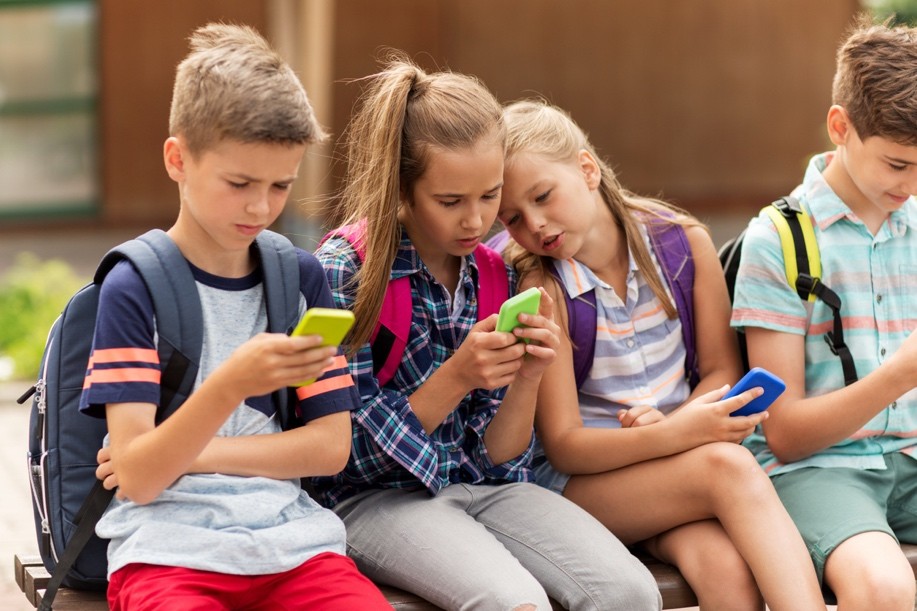
In community-centered classrooms, technology is used to bring people together, not isolate them. Screens and devices should enhance shared inquiry—such as group problem-solving or interactive discussions—rather than create silos. Designing classrooms with flexible access to power, digital displays for group projects, and areas for unplugged, face-to-face collaboration helps maintain a balance between digital and human connection.
Beyond the Classroom Walls
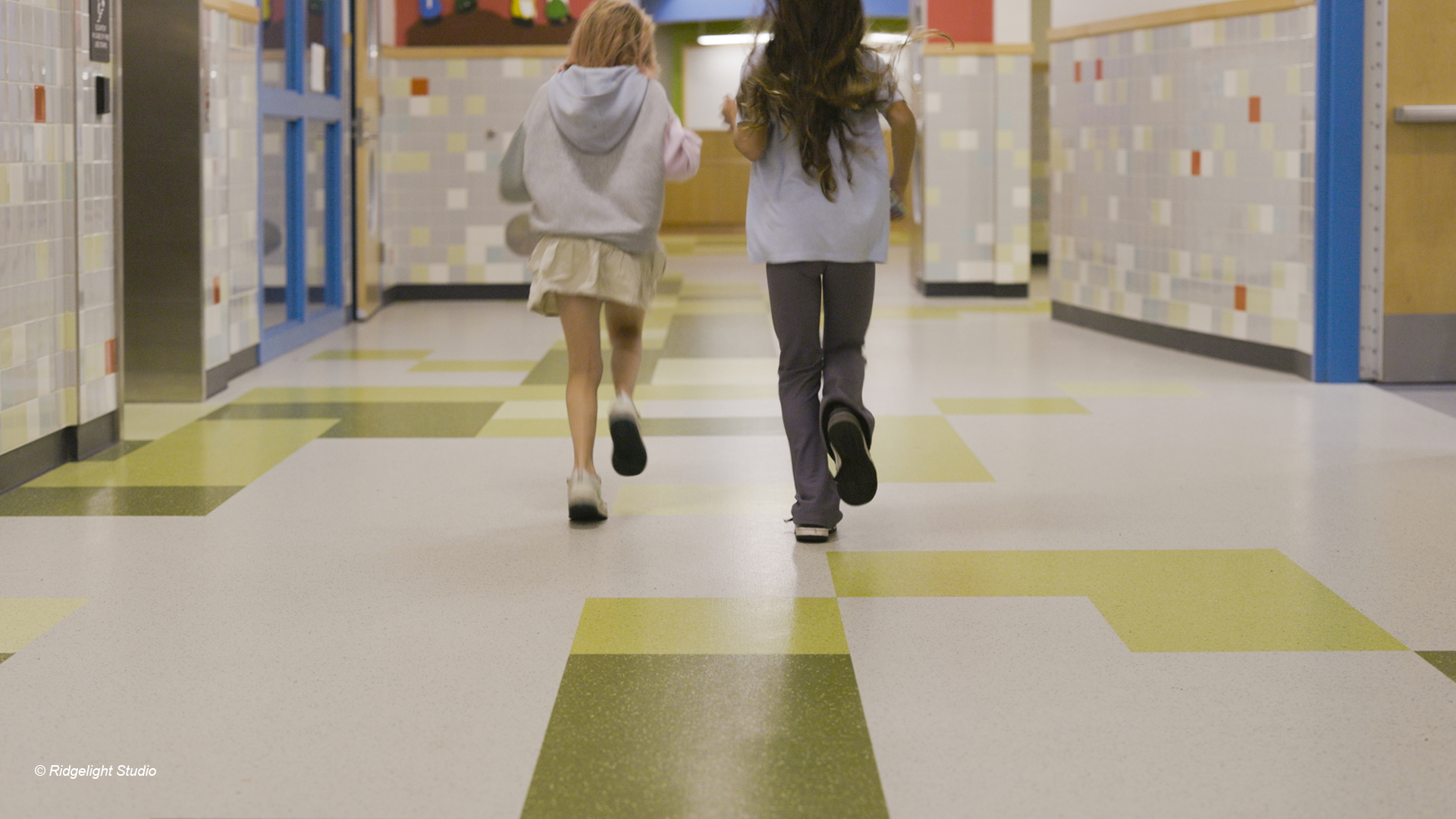
Building community extends beyond the classroom itself. Common areas—such as shared learning commons, outdoor classrooms, and hallway collaboration zones—can serve as bridges between classes and grade levels. Transparent design features, like glass walls or interior windows, allow students to see others learning and collaborating, reinforcing the sense that they’re part of something bigger than themselves.
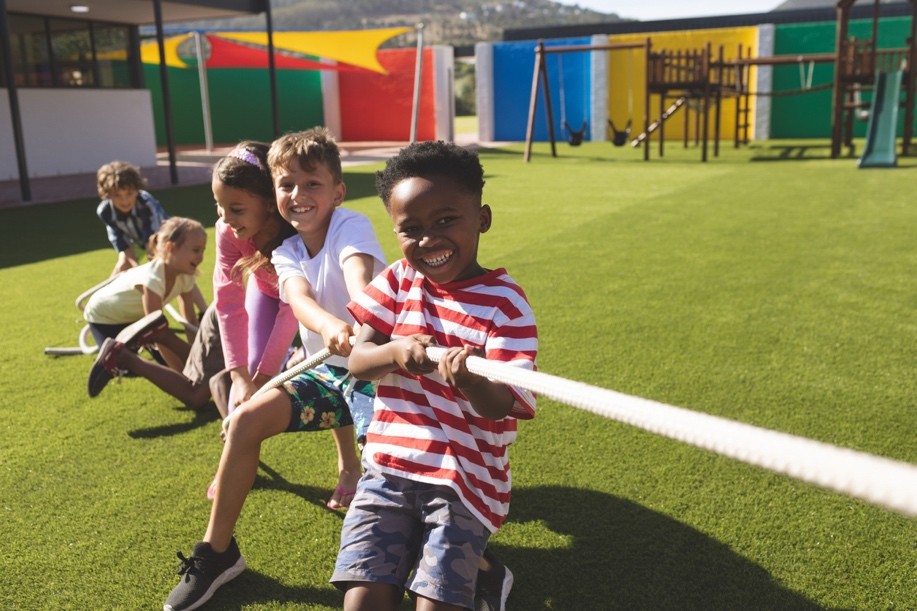
Outdoor learning areas, from gardens to shaded pavilions, provide opportunities for students to work together in natural settings, reducing stress and strengthening social bonds. These spaces remind students that learning and community thrive both inside and outside the classroom.
Designing for Inclusion
Equitable classroom design ensures that every student can participate fully in community life. Applying Universal Design for Learning (UDL) principles—clear acoustics, accessible layouts, appropriate lighting, and cultural inclusivity—ensures that no one is left out of the shared learning experience.
When students see themselves reflected in the environment—through inclusive artwork, accessible design, and materials that represent diverse perspectives—they feel a stronger connection to the community and greater ownership of the learning space.
From Design to Practice: Building Culture Through Space
A community-oriented classroom design succeeds when it’s paired with intentional teaching practices. Educators who collaborate on layout choices, invite student input, and use flexible spaces creatively reinforce the culture of belonging the design supports.
Schools can start small: pilot a redesigned classroom, document how student engagement and peer relationships change, and use that data to guide future redesigns. When educators, students, and families co-create spaces together, they build not just classrooms—but communities.

Looking Ahead: Classrooms as the Heart of Community
The classrooms of the future are not just places where students learn content—they are spaces where they learn how to belong, contribute, and care. Thoughtful design can help nurture these human connections, transforming schools into vibrant, inclusive communities that reflect our deepest educational values.
Designing classrooms to build community is about more than aesthetics or efficiency—it’s about creating environments where everyone feels part of something meaningful. When we design for connection, we design for learning that lasts a lifetime.
 Leslie Stebbins is the director of Research4Ed. She has more than twenty-five years of experience in higher education and K-12 learning. Her clients include Harvard University, the U.S. Department of Education, Tufts University, and the Gates Foundation. She has an M.Ed. from the Technology Innovation & Education Program at the Harvard Graduate School of Education and a Master’s in Library and Information Science from Simmons College. https://www.linkedin.com/in/lesliestebbins/