

EDspaces Design Principles
Design for the Learner, Not the Lesson
Every learner deserves a space that sees them, supports them, and sets them up to thrive. Grounded in the ECLPS framework and research-backed design strategies, these six principles reflect what students need to focus, connect, and succeed. When we design for the learner—not just the lesson—we create environments that improve outcomes and inspire lifelong learning.
Experience It at EDspaces
Want to see these principles in action? At EDspaces, the future of learning environments comes to life. Explore immersive installations, connect with the people shaping tomorrow’s schools, and discover how design impacts student success. Whether you’re planning a new build or reimagining what learning can look like, EDspaces is where inspiration meets implementation.

I Learn Best When I Can Hear Distinctly
I Learn Best When I Can Hear Distinctly
Sound matters. Whether it’s a teacher’s instructions, a peer’s idea, or a moment of quiet reflection, what we hear—or don’t—shapes how we learn.
Spaces designed with acoustic clarity support attention, inclusion, and understanding. From sound-absorbing materials to quiet zones and thoughtful layouts, good design ensures that every learner can listen, process, and participate—without the distraction of echo, noise, or strain.
When students can hear clearly, they can think clearly.
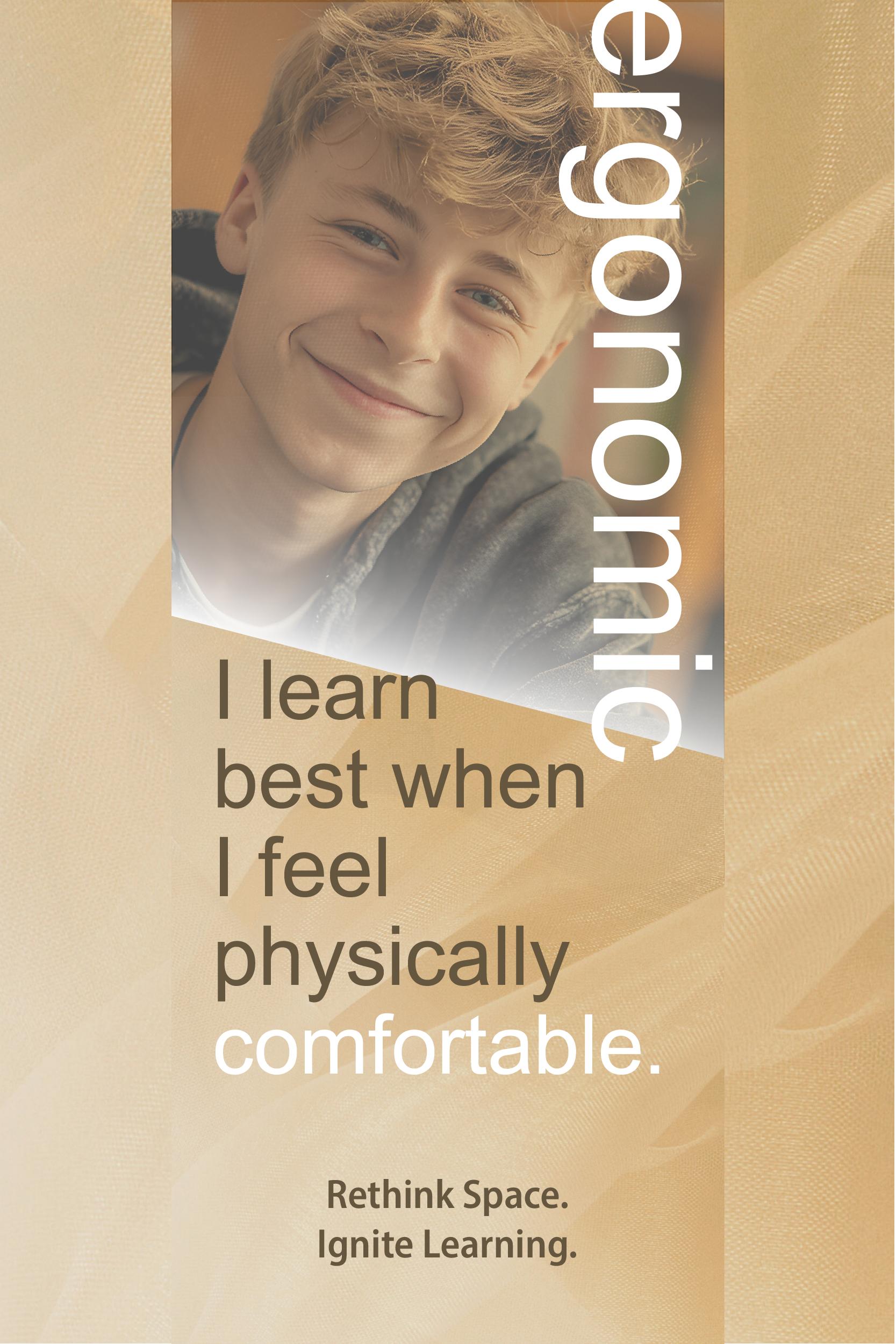
I Learn Best When I Feel Physically Comfortable
I Learn Best When I Feel Physically Comfortable
Learning isn’t just a mental activity—it’s physical, too. When students are uncomfortable, it’s harder to focus, stay engaged, or feel calm.
Ergonomic design supports movement, posture, and choice. Chairs that fit growing bodies, flexible seating options, and room to shift or stretch help learners stay present and alert. Comfort isn’t a luxury—it’s a foundation for attention, stamina, and well-being.
When the body is supported, the brain is ready.
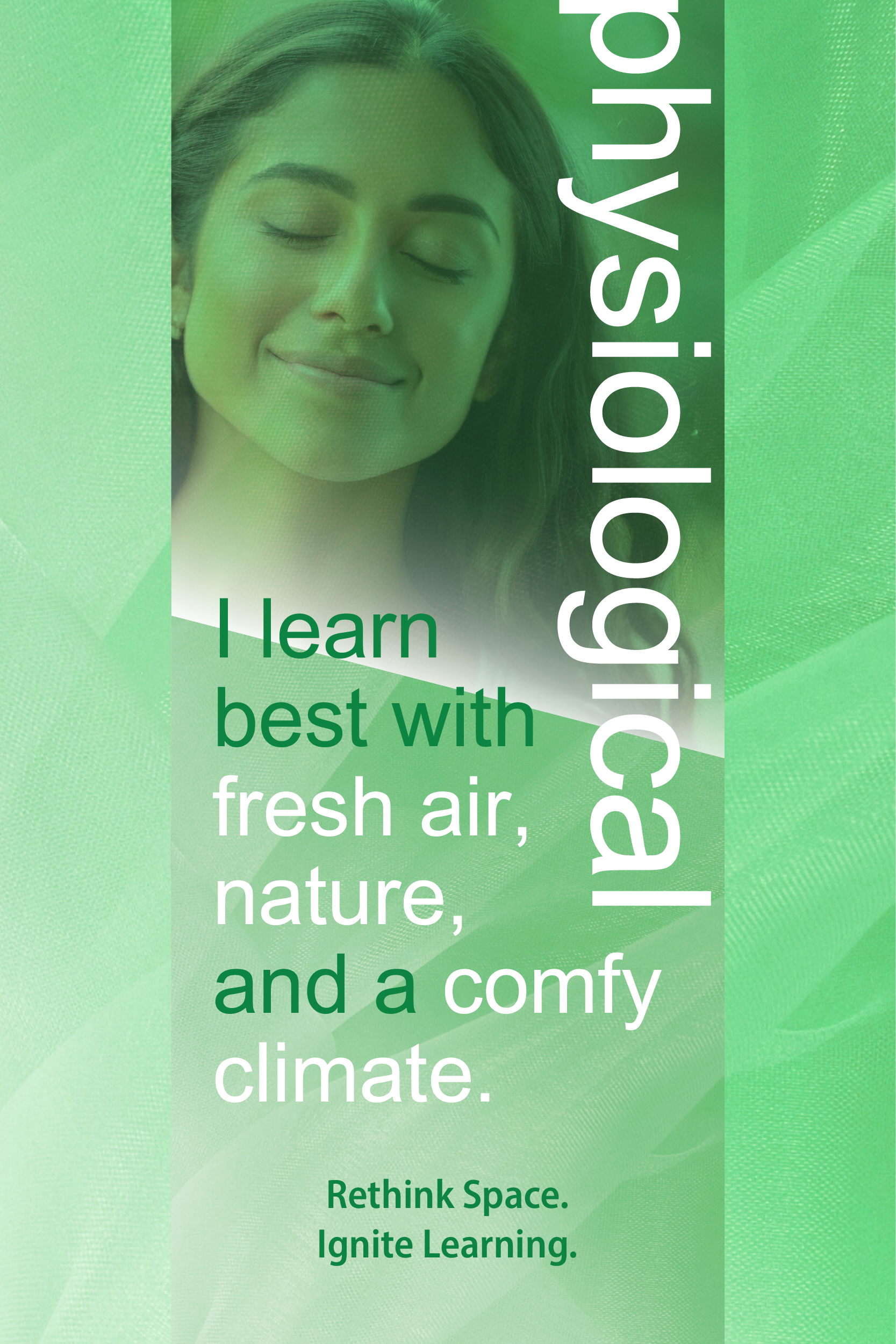
I Learn Best with Fresh Air, Nature, and a Comfy Climate.
I Learn Best with Fresh Air, Nature, and a Comfy Climate.
I learn best with fresh air, nature, and a comfy climate.
The environment around us affects how we feel—and how we learn. Fresh air fuels focus. Natural light lifts mood. Comfortable temperatures help students stay alert, not distracted.
Designing for wellness means thinking about the invisible essentials—like indoor air quality, ventilation, lighting, and thermal comfort. Add a connection to nature, and the result is a space that nurtures both the mind and the body.
Clear air. Calmer minds. Better learning.
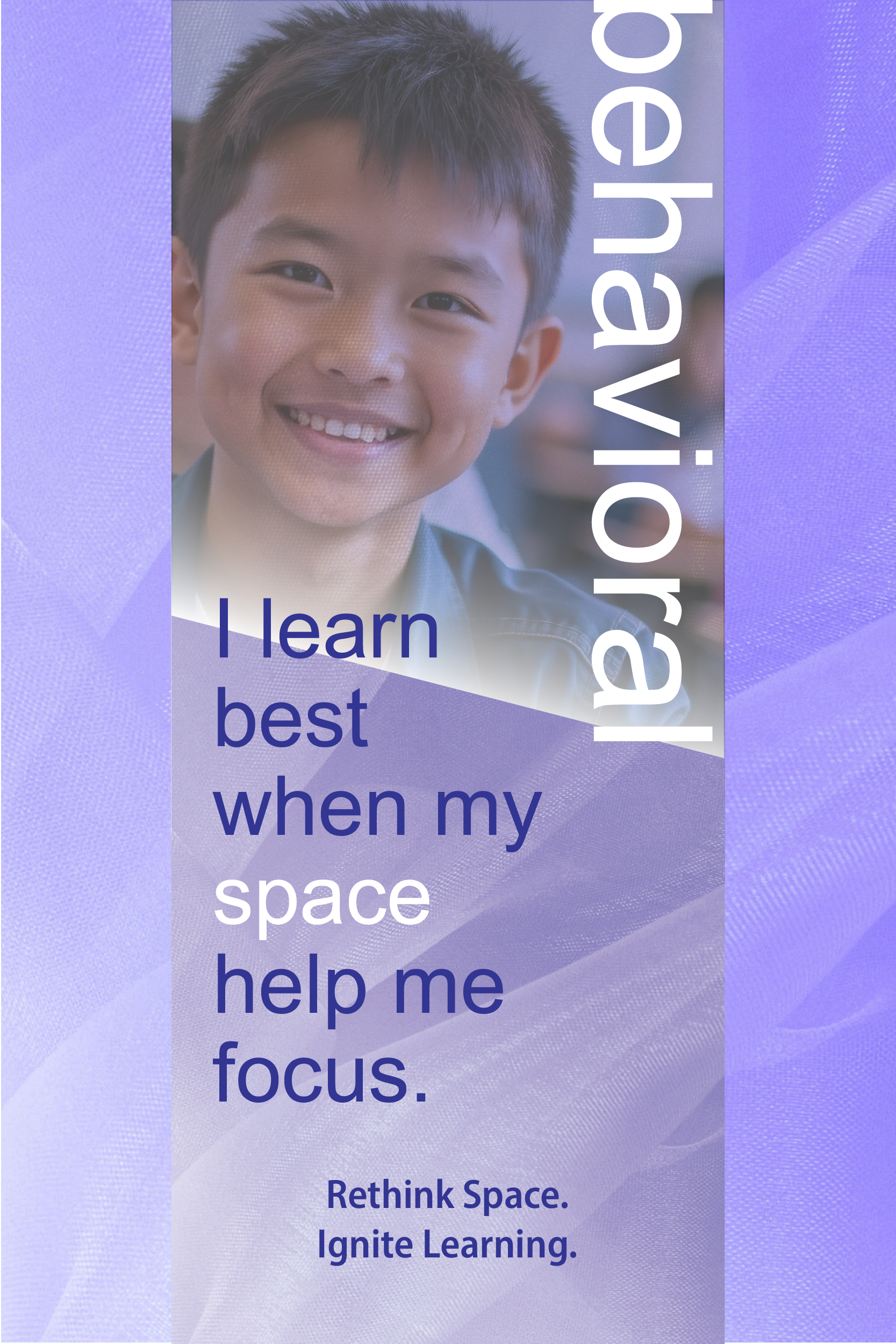
I Learn Best When My Space Helps Me Focus.
I Learn Best when my space helps me focus.
Before a lesson begins, the space has already spoken.
Layout, lighting, and furniture placement send subtle signals—inviting collaboration, sparking curiosity, or encouraging quiet reflection. When a room is designed with purpose, it gently guides how students move, interact, and engage.
Design isn’t just decoration. It sets the tone, supports routines, and helps learners stay focused and in control.
Great spaces cue great behavior—without saying a word.
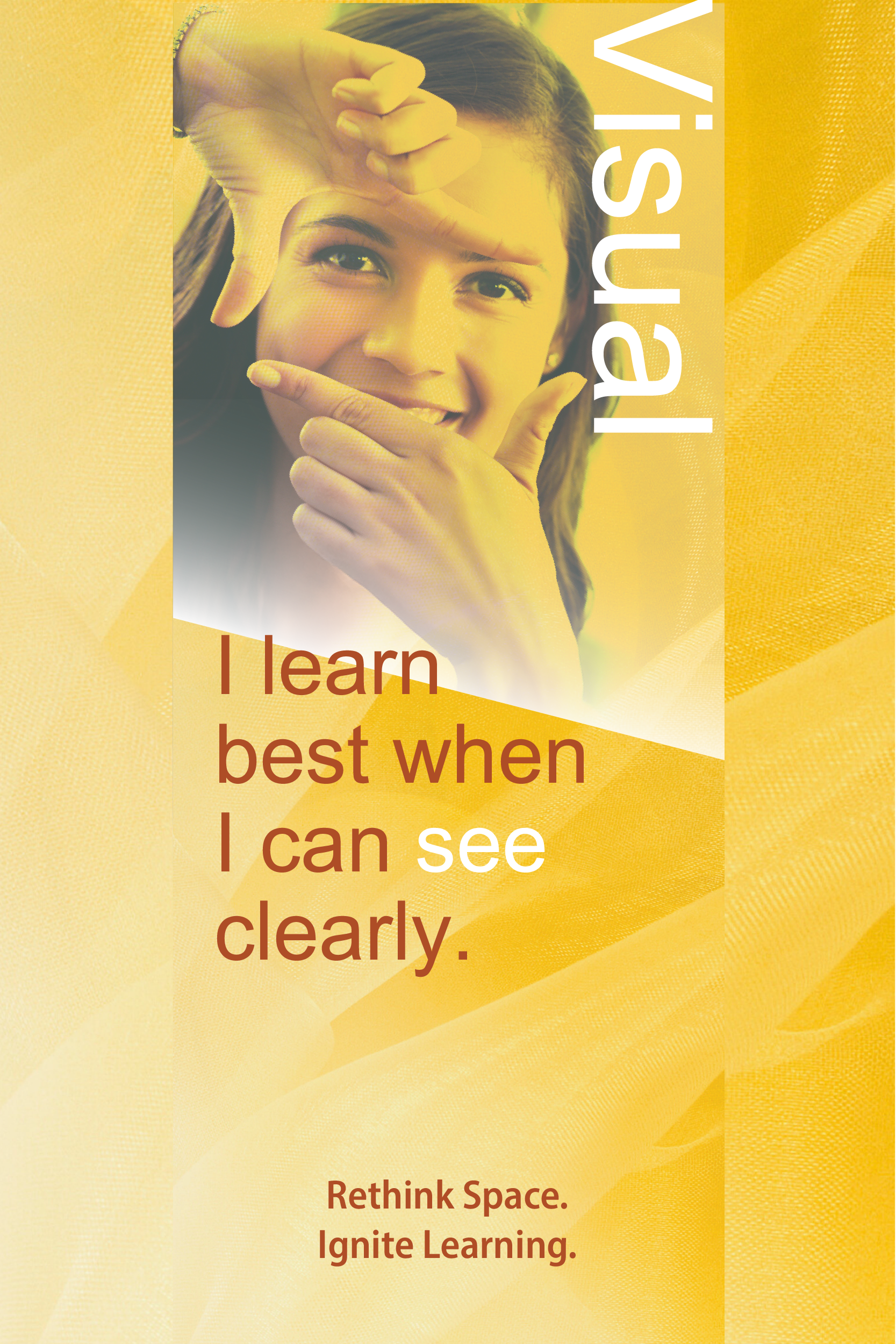
I Learn Best When I Can See Clearly
I Learn Best when I can See Clearly
What students see—and how well they see it—matters. Glare, poor lighting, or blocked sightlines can lead to frustration, fatigue, and missed learning moments.
Visual design supports focus and inclusion. Spaces that are well-lit, with clear views of teaching zones and peers, help all learners—especially those with visual or sensory needs—stay engaged and feel part of the action.
Clear sightlines lead to clear understanding.
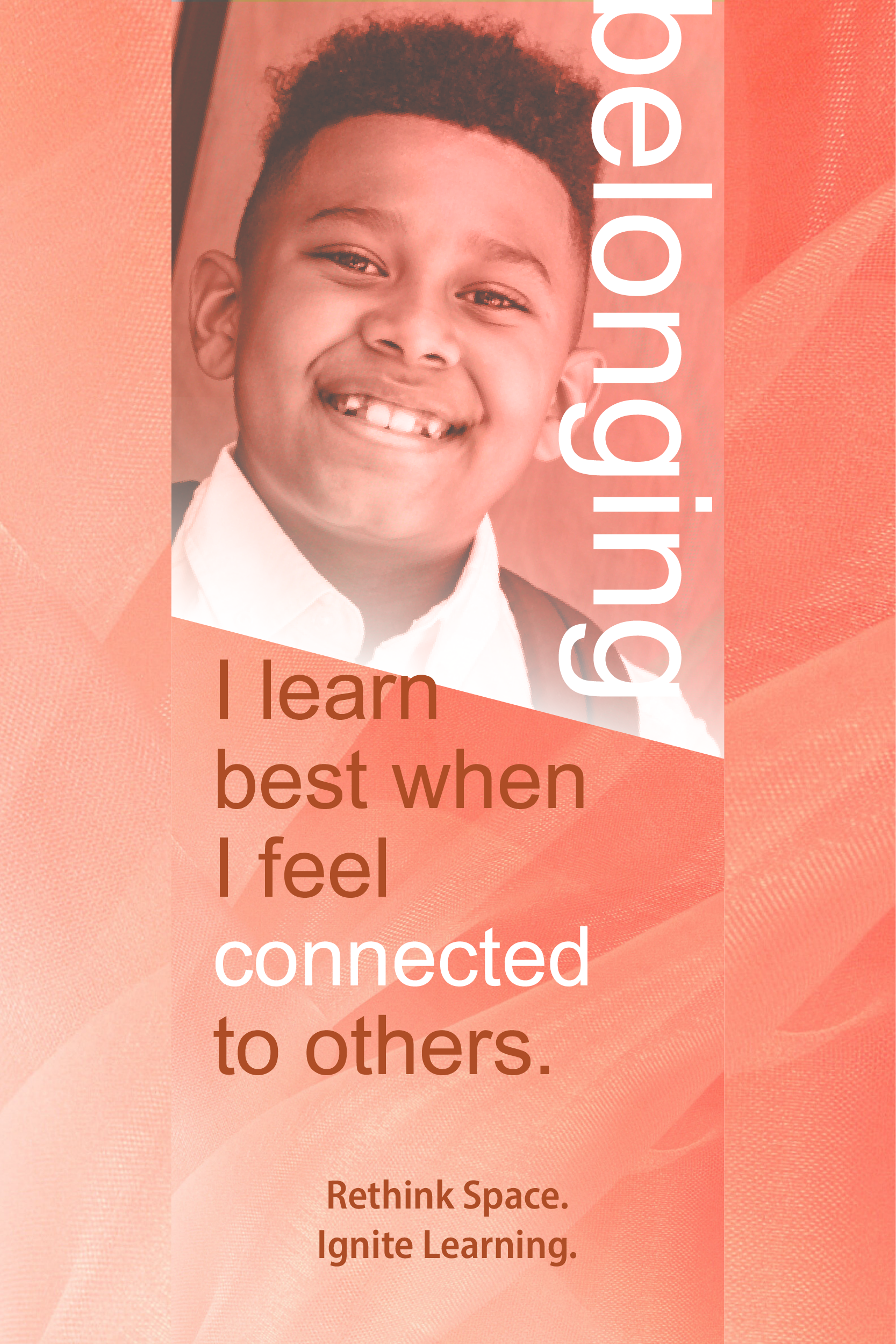
I Learn Best When I Feel Connected to Others.
I learn best when I feel connected to others.
Learning thrives in spaces where students feel safe, seen, and supported. When a room is designed for connection—not just instruction—it builds trust, encourages collaboration, and creates community.
Design can send powerful messages: you’re welcome here, your voice matters, this space is for you. From gathering zones to inclusive visuals and layouts that promote interaction, space can foster the emotional security every learner needs to succeed.
When students feel they belong, they’re ready to learn.