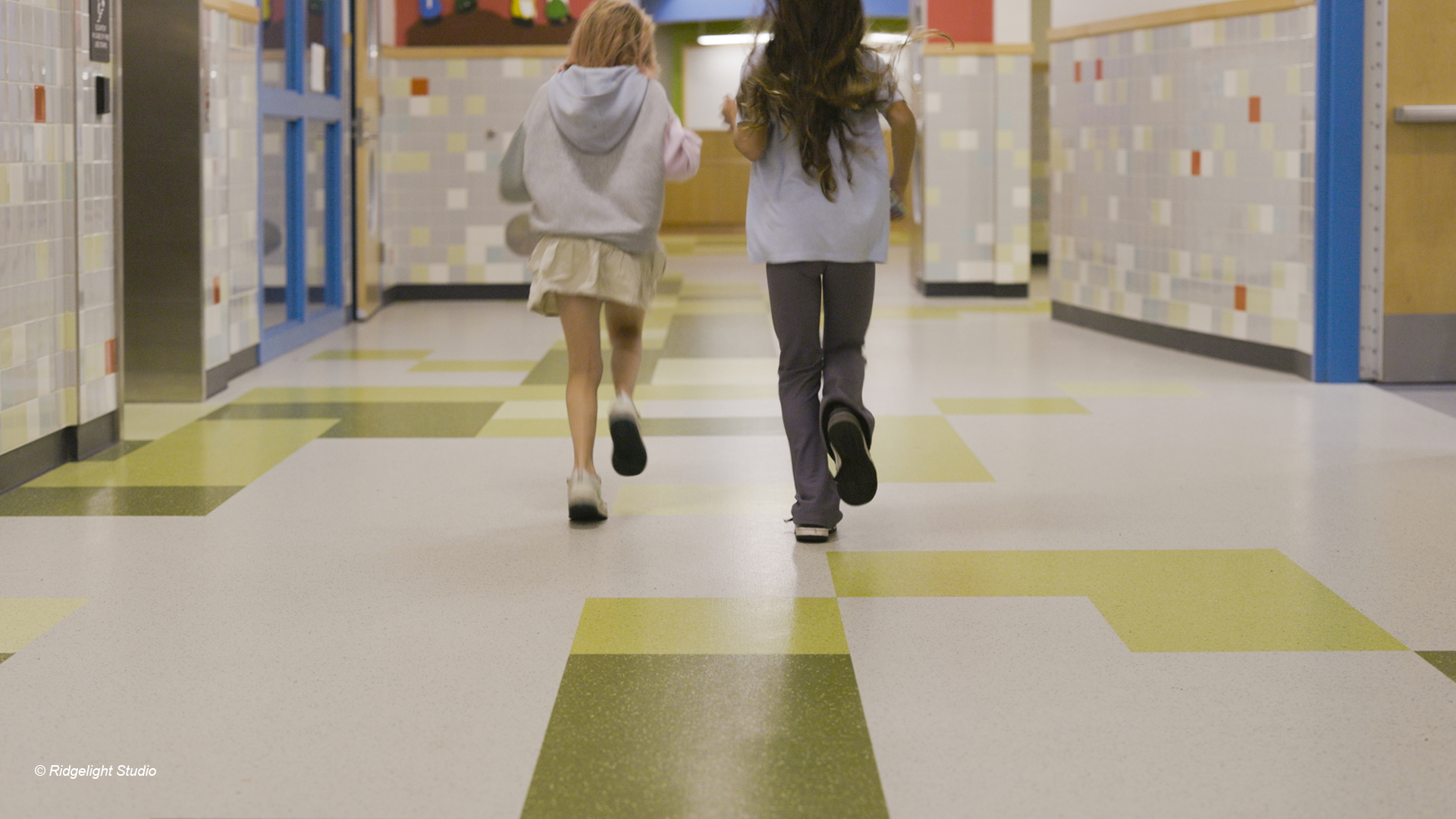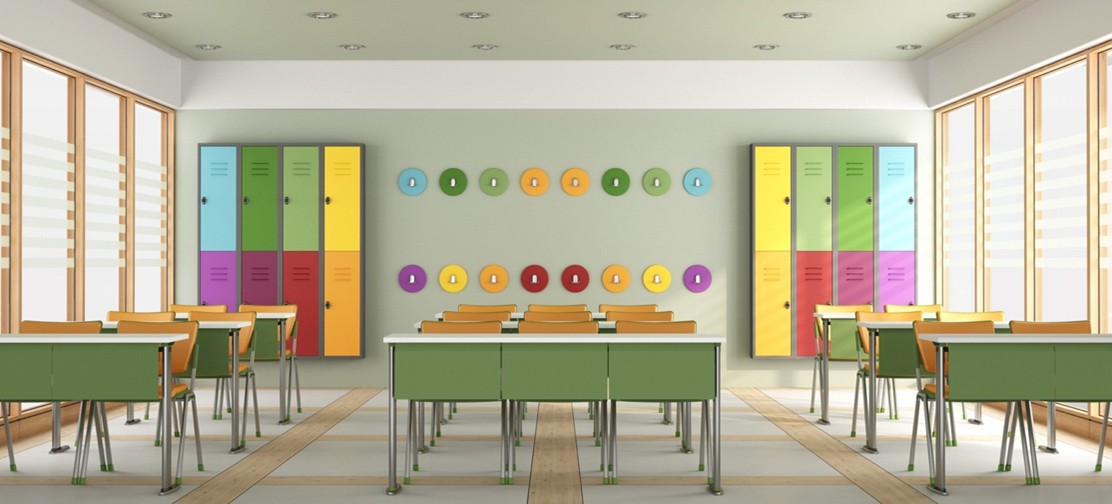
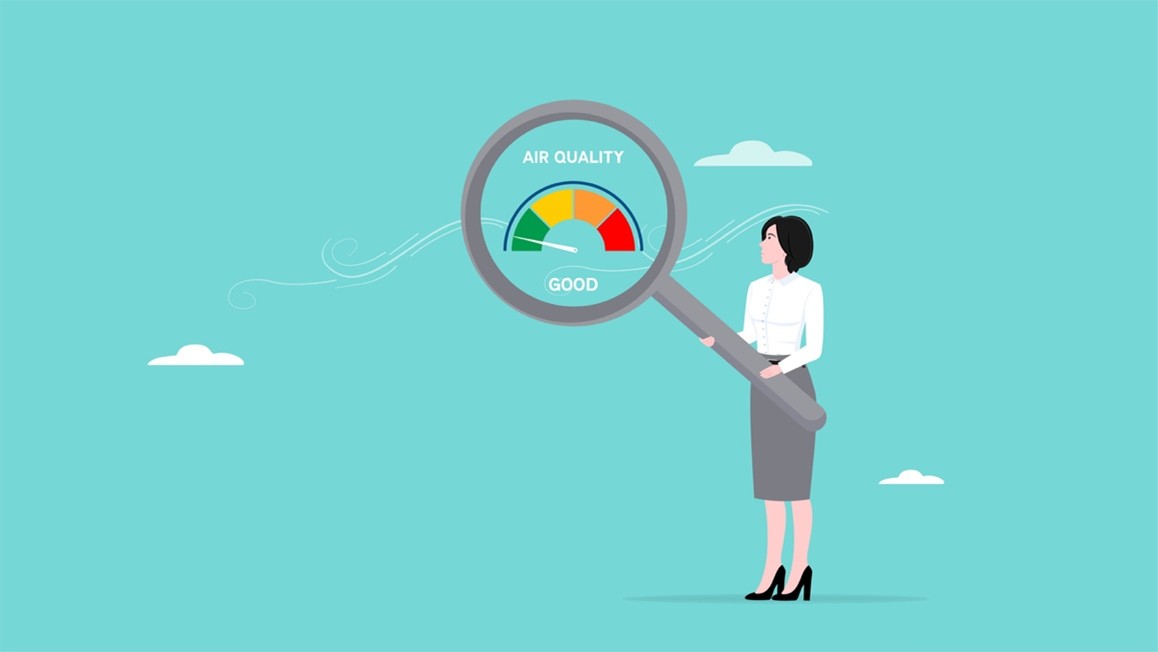
In classrooms across Boston, small high-tech sensors are quietly transforming how schools protect students’ health. These devices are part of a pioneering initiative by Boston Public Schools (BPS) to monitor indoor air quality in real time — a first-of-its-kind effort that could change how schools nationwide think about clean air, student performance, and well-being.
The project began in the wake of the pandemic, when attention turned to how viruses spread indoors. While schools around the country focused on better ventilation and filtration, Boston went further, installing thousands of air-quality sensors and teaming up with Boston University researchers to interpret the data. Supported by city and federal funding, BPS is now using this information to craft a districtwide plan to keep classroom air cleaner and safer.
Indoor air quality has long flown under the radar, even though people spend most of their time inside. Pollutants from car exhaust, wildfires, and cleaning supplies can build up indoors — and older school buildings are especially prone to problems. Boston’s schools, some more than a century old, face these challenges daily, and only about a third have central HVAC systems.
With this new sensor network, the district can identify issues and take targeted action. The data has already led to better ventilation maintenance, stricter controls on vehicle idling near schools, and even decisions about school closures during extreme heat. Some classrooms once plagued by high carbon monoxide or temperature spikes have seen measurable improvements thanks to quick interventions guided by the data.
The impact extends beyond comfort. Research shows that cleaner indoor air can raise test scores, cut down on illness-related absences, and improve concentration. Poor air quality, by contrast, is linked to anxiety, fatigue, and reduced cognitive performance. Even small changes matter — one study found that every one-degree rise in classroom temperature correlated with a drop in test performance.
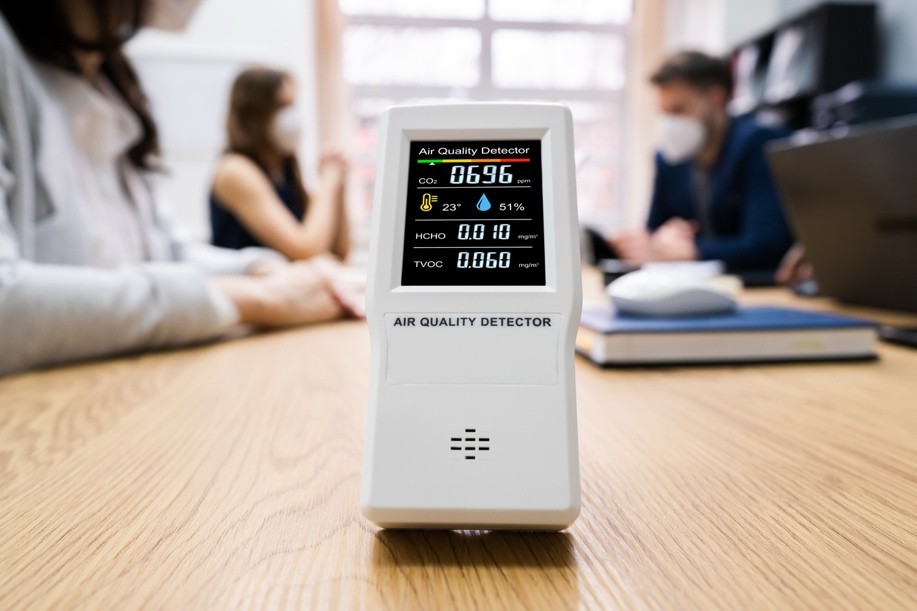
Launched in 2021 with $7 million in federal COVID relief funds, the program now includes more than 4,000 sensors across 100-plus schools. Each device tracks six indicators:
- Temperature
- Humidity
- Carbon dioxide
- Carbon monoxide
- Two types of particulate matter
Parents can view the readings through an online dashboard, adding transparency and accountability to the system.
BPS staff regularly monitor the data, identifying patterns and responding as needed. During heat waves, for example, schools have used the data to manage classroom temperatures by adjusting fan use and ventilation schedules. The sensors have also uncovered hidden HVAC problems before they became serious.
Researchers at Boston University are analyzing billions of data points generated each year, building algorithms to detect pollution events and eventually link air quality to student outcomes. They’re also running field tests during school breaks to study how ventilation behaves under different conditions.
Recently, the City of Boston boosted the project with nearly $200,000 in Community Clean Air Grant funding to develop a districtwide action plan. City officials see it as one of the most impactful environmental health initiatives in the region.
Interest in Boston’s model is growing — other districts, including Denver and Montgomery County, Maryland, are already following suit. For school leaders, the benefits go beyond data. The sensors offer peace of mind, particularly for students with asthma or other health needs, by tracking threats that can’t be seen or smelled.
Ultimately, the program highlights a simple truth: the air students breathe matters as much as the lessons they learn. With every new data point, Boston Public Schools is helping to build a healthier, more resilient learning environment — one classroom at a time.
This article is based, in part, on the following sources:
Selig, Kate. (October 26, 2025) “A tiny device is identifying invisible health hazards in Boston schools,” Boston Globe.
Allen, J., et al. (2017). Schools for Health: Foundations for Student Success. Harvard T.H. Chan School of Public Health, Healthy Buildings program.
 Leslie Stebbins is the director of Research4Ed. She has more than twenty-five years of experience in higher education and K-12 learning. Her clients include Harvard University, the U.S. Department of Education, Tufts University, and the Gates Foundation. She has an M.Ed. from the Technology Innovation & Education Program at the Harvard Graduate School of Education and a Master’s in Library and Information Science from Simmons College. https://www.linkedin.com/in/lesliestebbins/